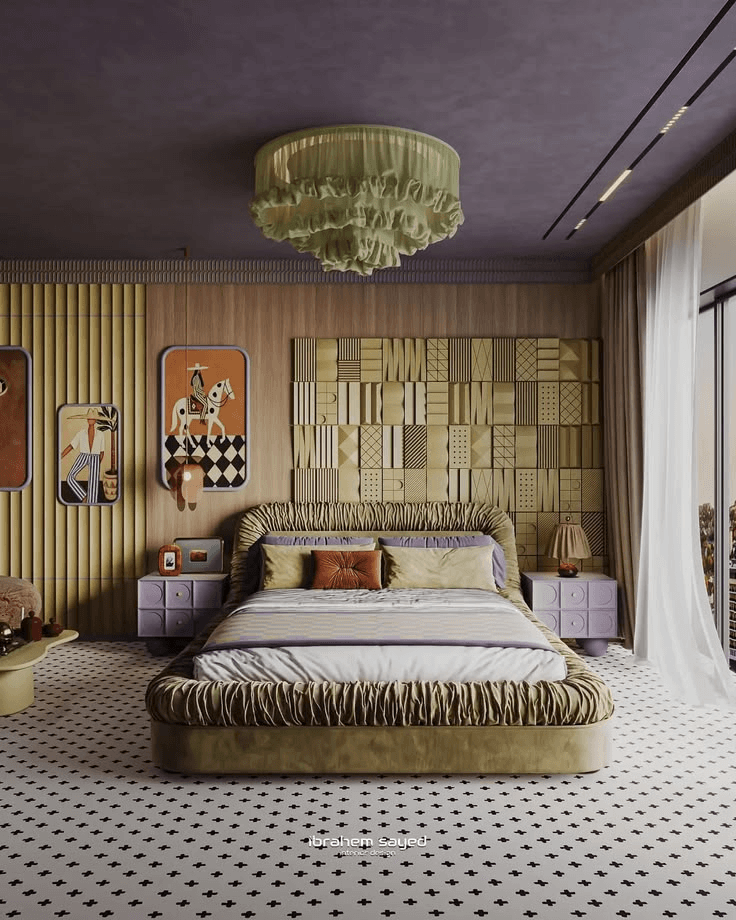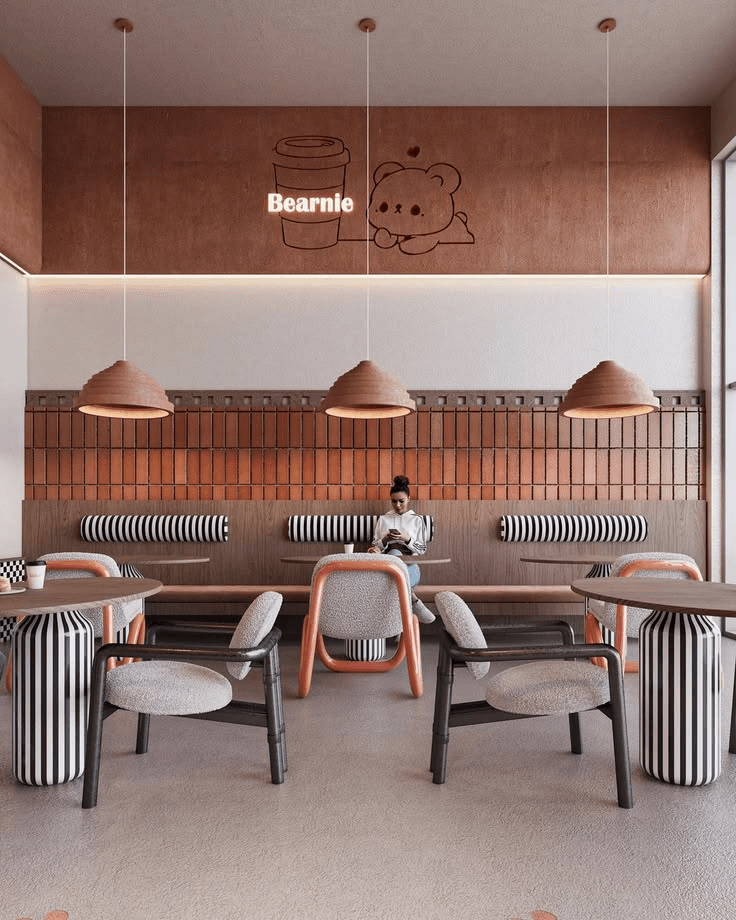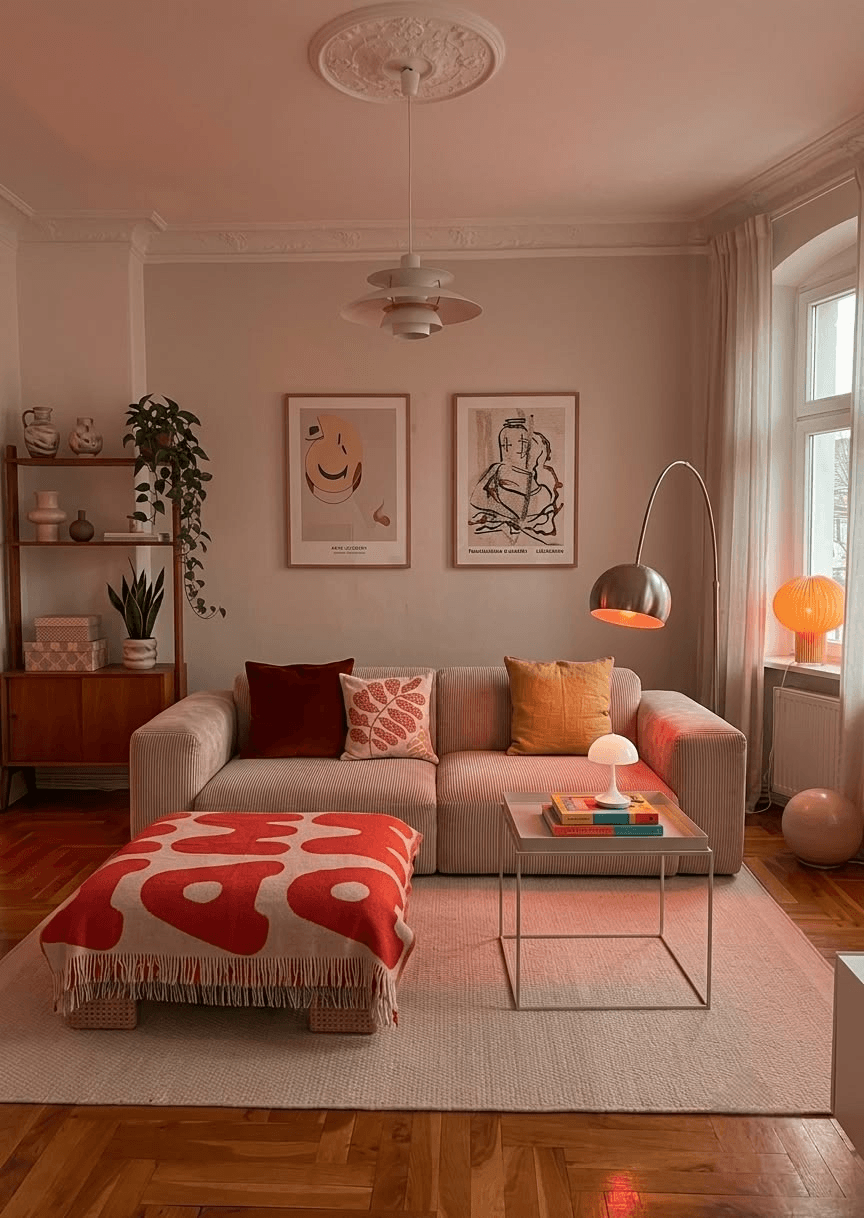
A small living room doesn't have to feel cramped, cluttered, or lacking in style. With thoughtful planning, clever furniture choices, and a few well-placed design details, even the smallest space can feel open, comfortable, and beautifully put together.
1. Choose Furniture That Fits Your Space
One of the biggest mistakes when designing a small living room is choosing furniture that's too large for the space. An oversized sofa or bulky armchair can quickly make the room feel crowded.
Instead, opt for furniture with proportions that suit your layout. A compact two- or three-seater sofa, slim-profile armchairs, and tables with lightweight frames can help create a more open feel.
Furniture with raised legs is particularly useful because it allows more of the floor to remain visible, making the room feel less visually heavy.
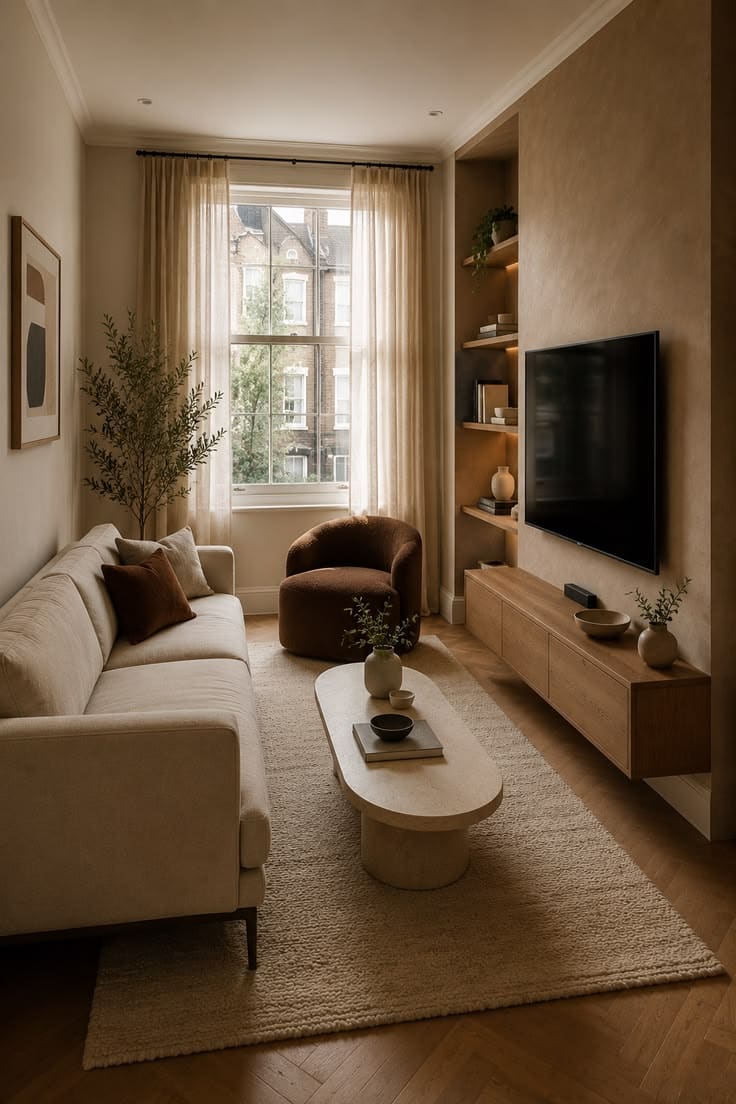
N/B; Before purchasing furniture, measure your room and map out where each piece will go.
2. Make the most of wall space
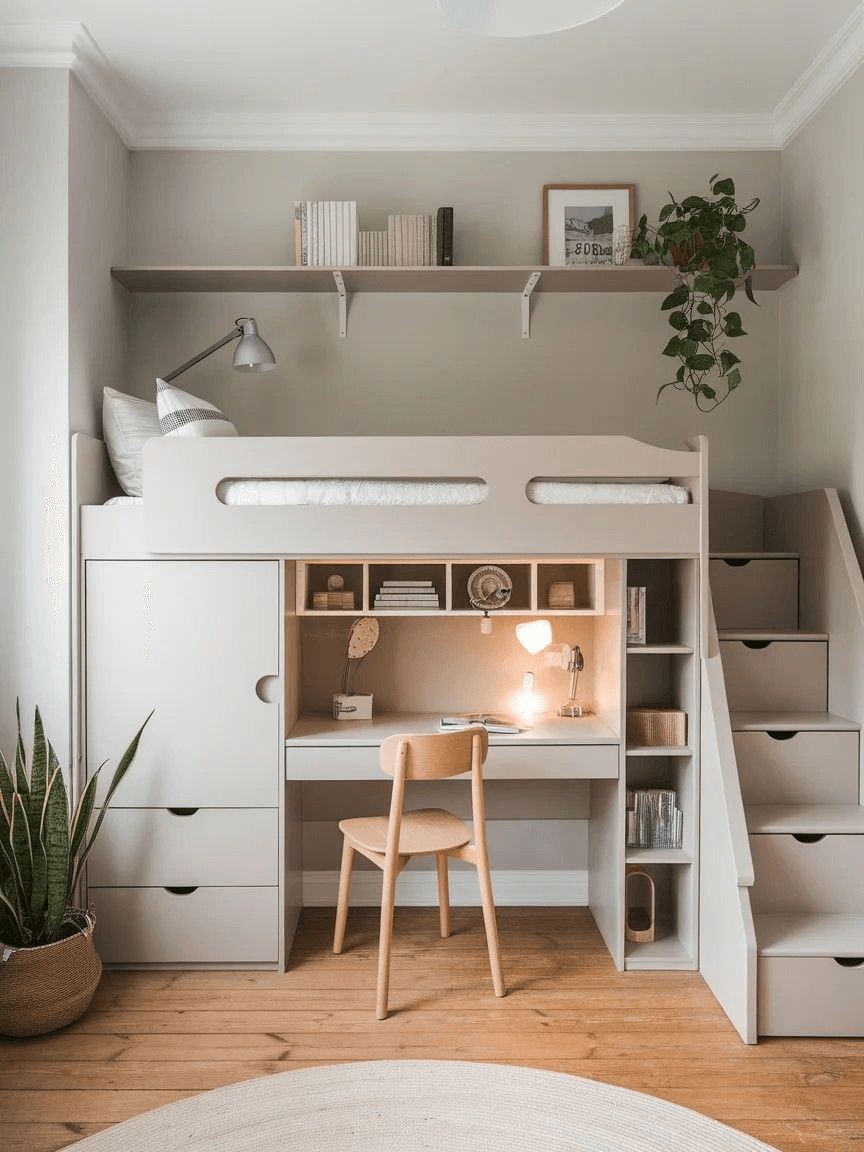
When floor space is limited, look upwards. Walls offer valuable opportunities for storage, decoration, and functionality without taking up additional room.
Consider floating shelves for books and accessories, tall bookcases for storage, or wall-mounted cabinets that keep everyday items organised. Hanging artwork vertically can also draw the eye upwards, creating the impression of greater height.
Curtains can make a difference, too. Mounting curtain rods closer to the ceiling and allowing curtains to fall towards the floor can make windows and walls appear taller.
The goal is to use vertical space thoughtfully without filling every available wall.
3. Consider multifunctional furniture
In a small living room, furniture that serves more than one purpose is especially valuable. Instead of introducing a separate piece for every need, look for designs that combine functionality.
For example, Storage ottomans Provide extra seating, a footrest, and hidden storage for blankets or magazines, Lift-top coffee tables Create a useful surface for working or eating while concealing everyday essentials and Sofa beds Make it easier to accommodate overnight guests without dedicating an entire room to sleeping.
4. Use Mirrors, Artwork, and Decor Strategically
A large mirror can create a sense of depth, while one well-chosen artwork can act as a focal point without making the walls feel busy. A small gallery wall can also work if the frames and arrangement feel cohesive.
Plants introduce natural texture and colour. If floor space is limited, consider hanging planters or placing smaller plants on shelves.
5. Layering lighting
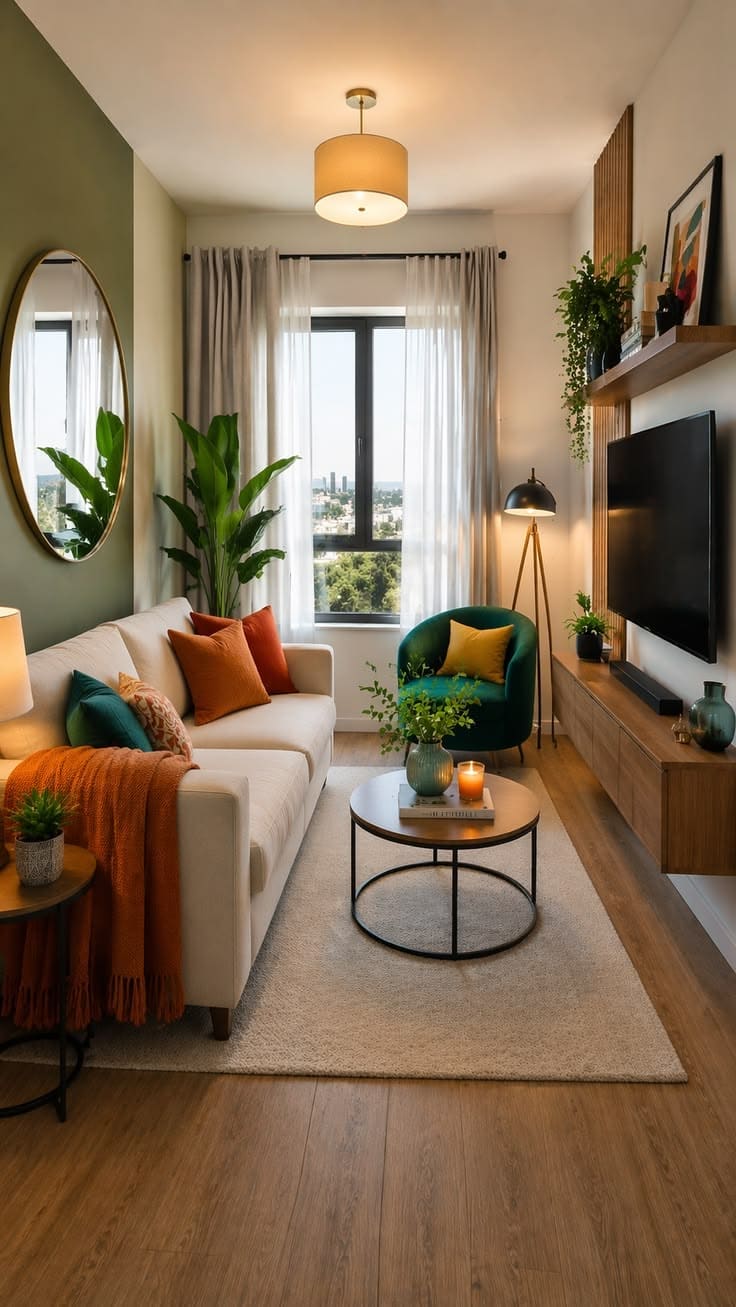
Lighting is essential for creating a welcoming atmosphere, especially in a small living room with limited natural light.
Ambient lighting: Provides general illumination through ceiling lights or recessed fixtures.
Task lighting: Supports activities such as reading through floor or table lamps.
Accent lighting: Highlights artwork, shelving, architectural features, or decorative objects.
6. Choose the Right Rug and Coffee Table
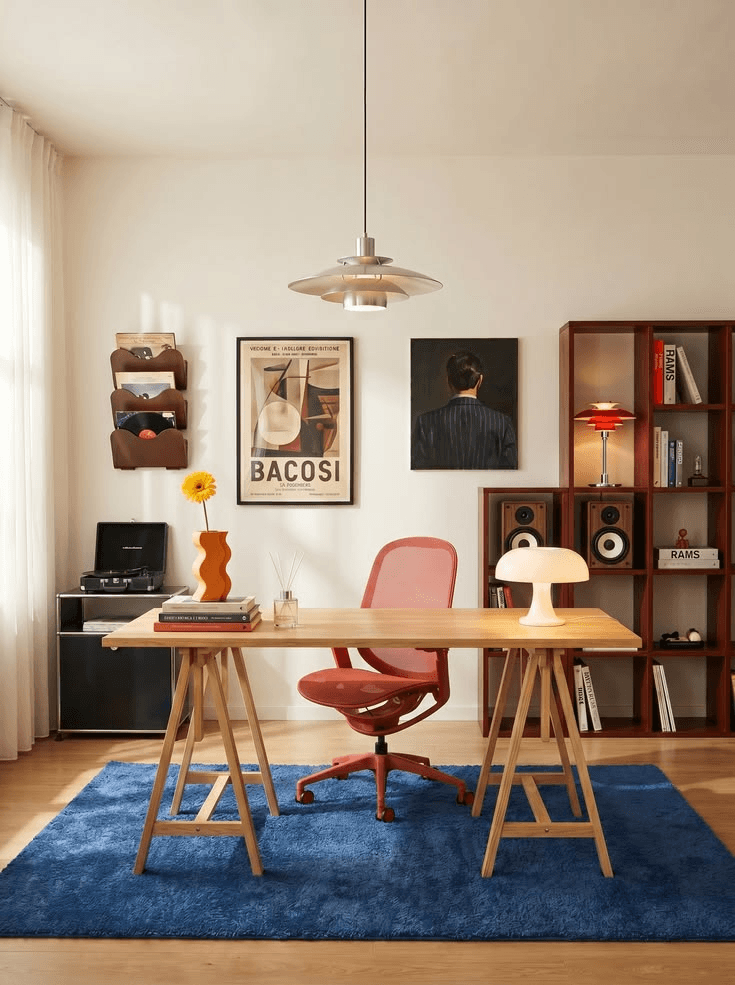
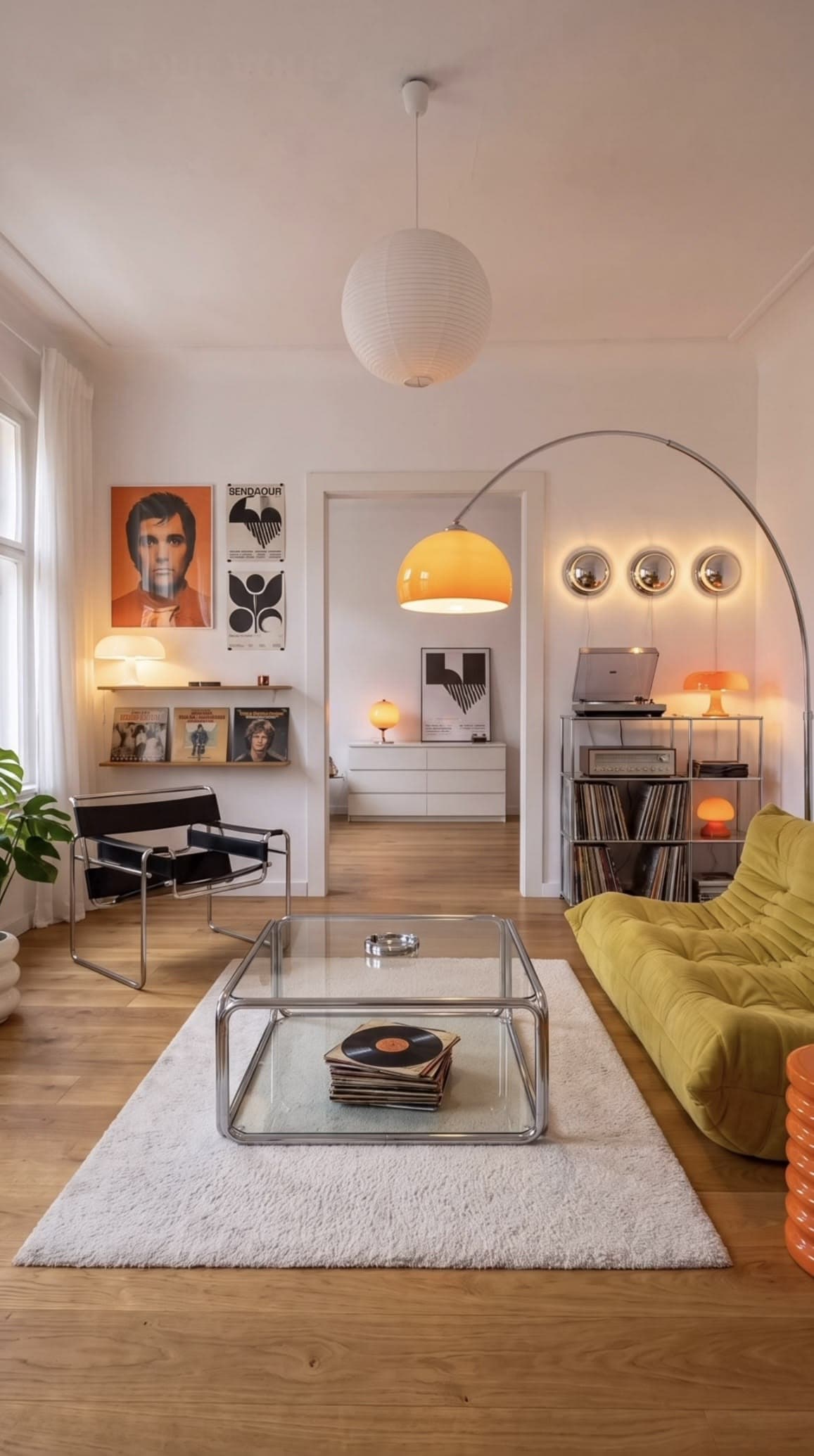
Where possible, choose a rug large enough for at least the front legs of the sofa and chairs to sit on it.
For coffee tables, consider round or oval designs, which can make movement around furniture easier by eliminating sharp corners. Glass or acrylic tables can also create a lighter visual effect because they allow more of the room to remain visible.
Maximising a small living room is all about making intentional design choices. From choosing appropriately sized furniture and using vertical space to improving lighting and introducing clever storage, every detail can contribute to a room that feels more spacious and functional.