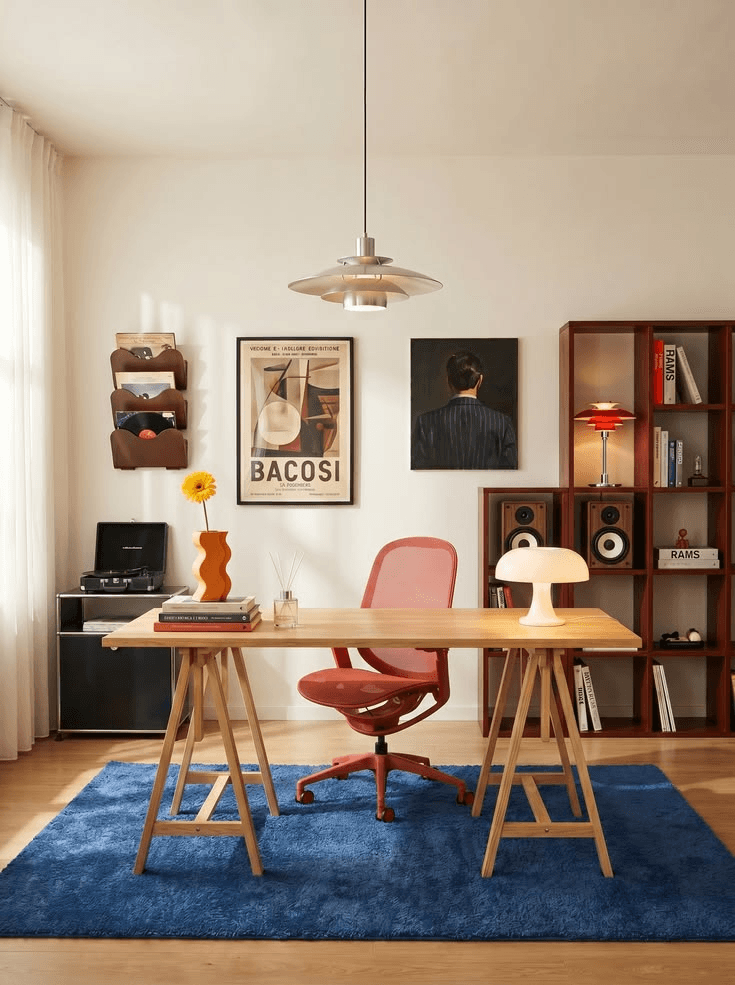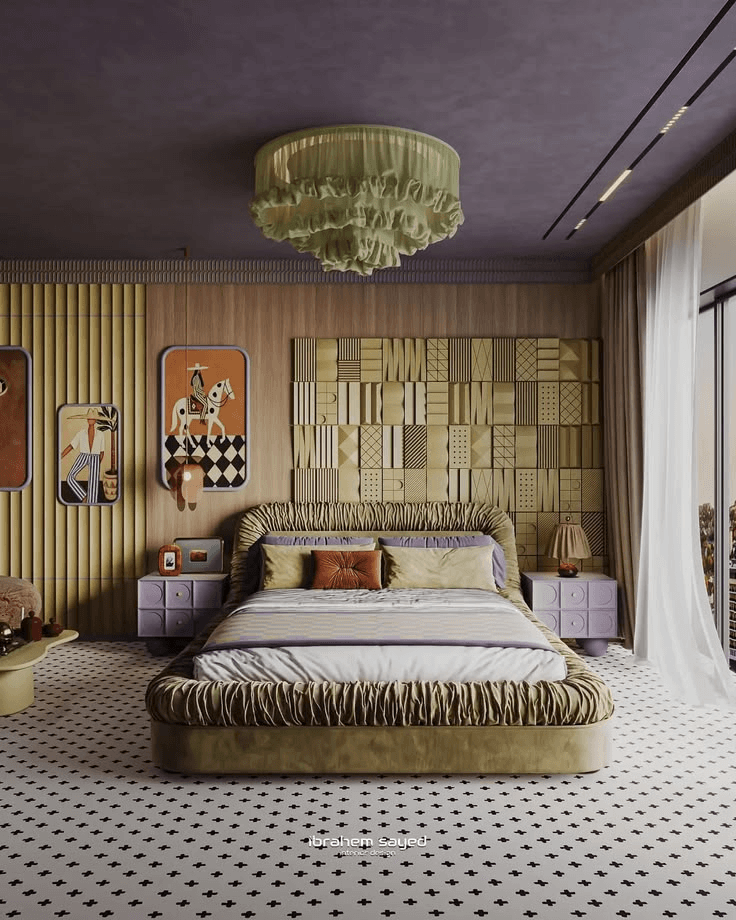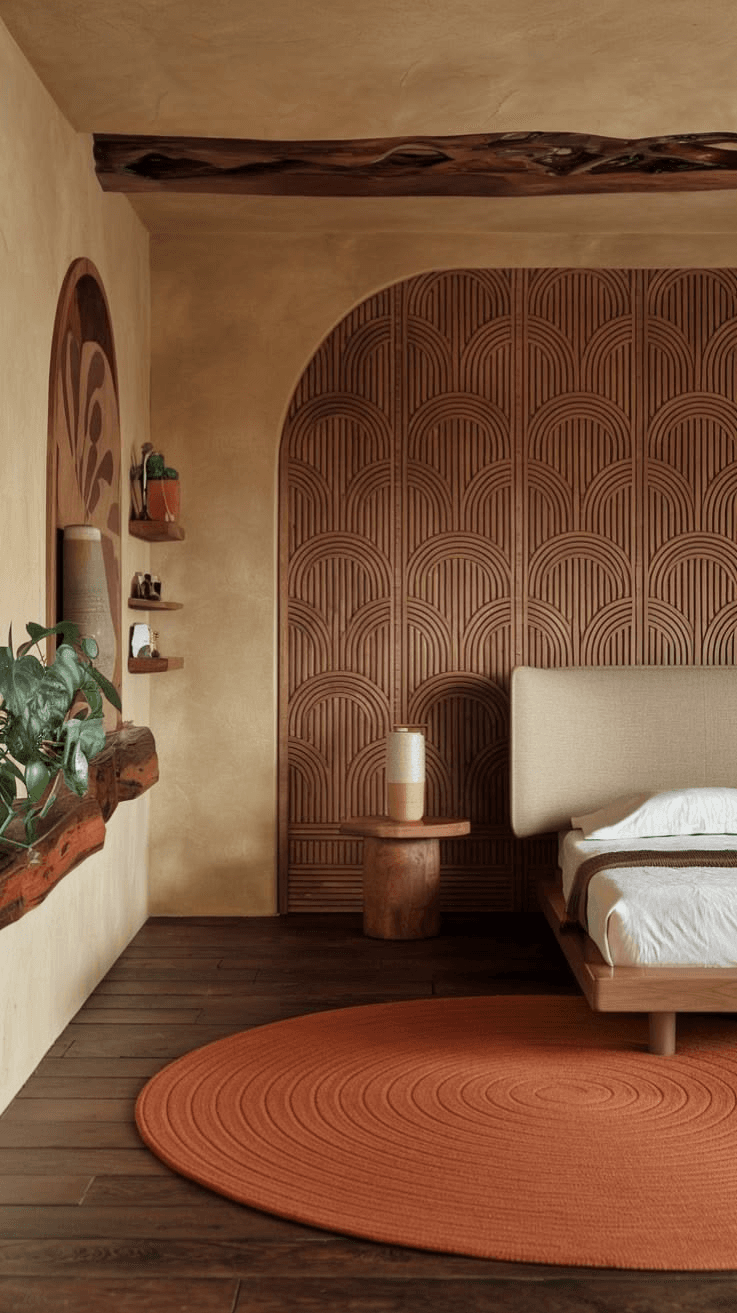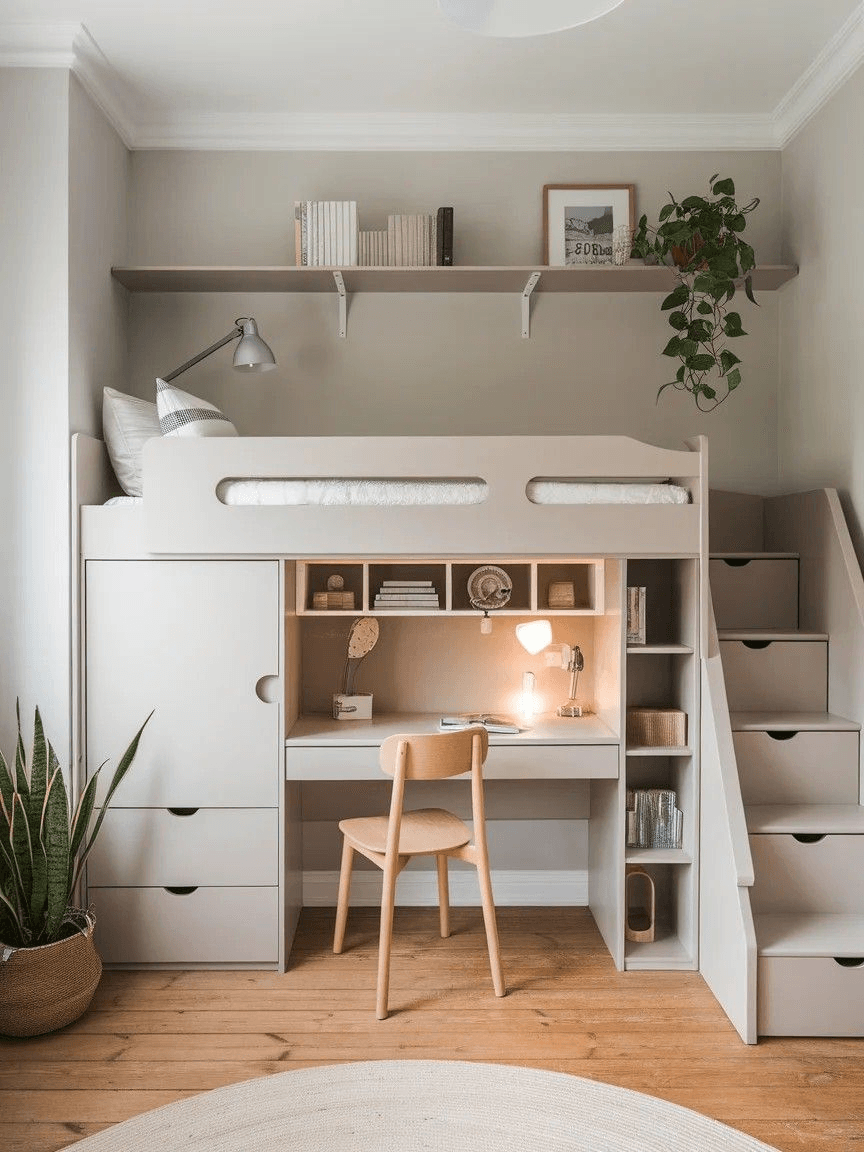
A child's bedroom is more than just a place to sleep. It is a space where imagination comes alive, personalities develop, friendships begin and countless memories are made. From colourful playrooms to cosy study corners, children's bedrooms should reflect their interests while providing comfort, functionality and room to grow.
However, children grow quickly, and their tastes, needs and routines change along the way. What works for a toddler may no longer suit a school-going child or teenager. This is why designing a bedroom that grows with your child is one of the smartest approaches to children's interior design.
The secret is to create a flexible foundation that can evolve through different stages of childhood without requiring a complete redesign every few years.
1. Start With Timeless Foundations
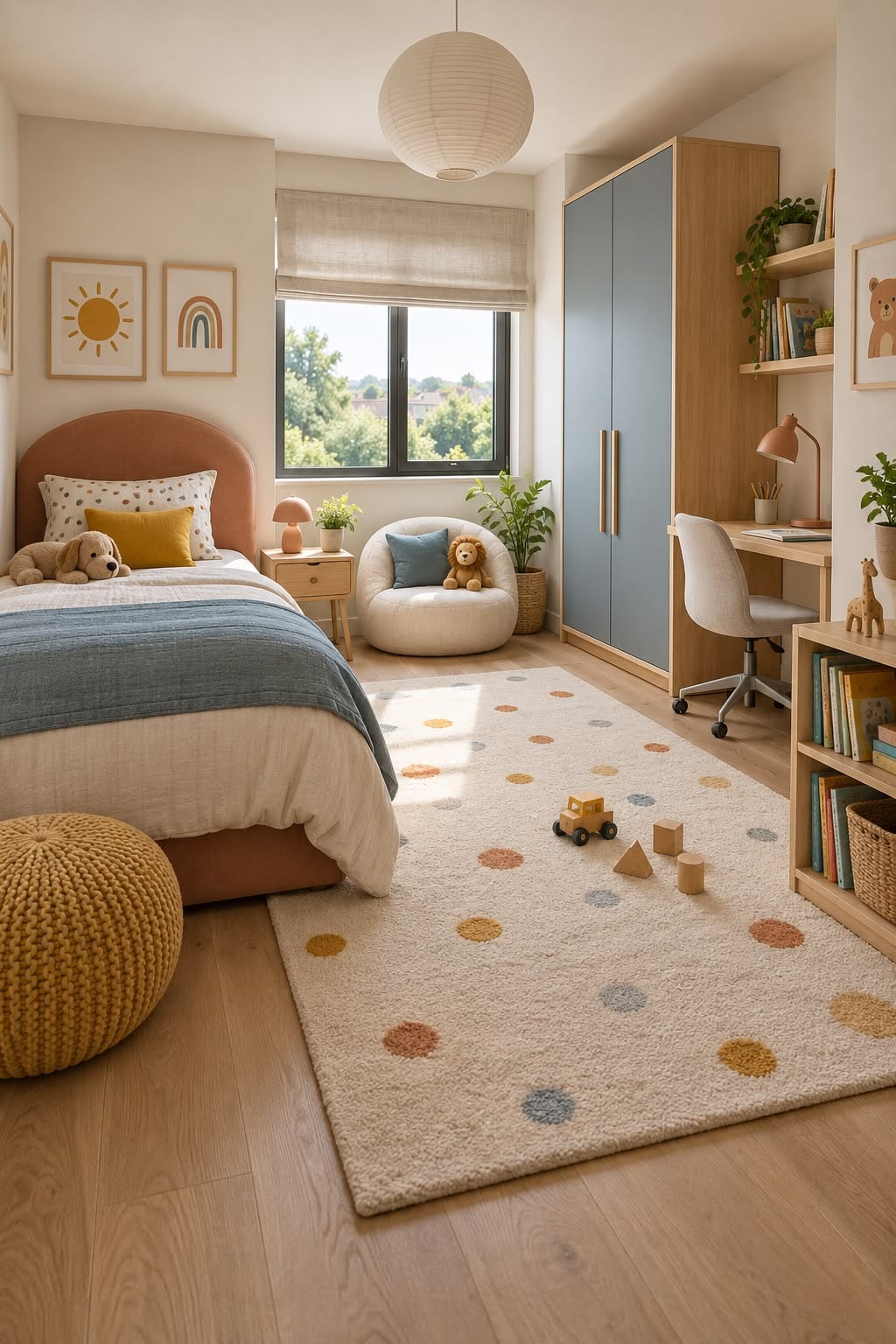
When designing a child's bedroom, it is tempting to go all out with cartoon characters, themed furniture and bold colours. While these elements can make a room exciting, they may quickly become outdated as your child develops new interests.
Instead, start with timeless foundations such as neutral walls, simple flooring and versatile furniture. Shades of beige, warm white, soft grey and muted green create a calming backdrop that can easily accommodate changing decorations and colour preferences.
You can introduce playful elements through removable wall decals, colourful bedding, artwork and accessories that are easy to update.
2. Invest in Furniture That Adapts
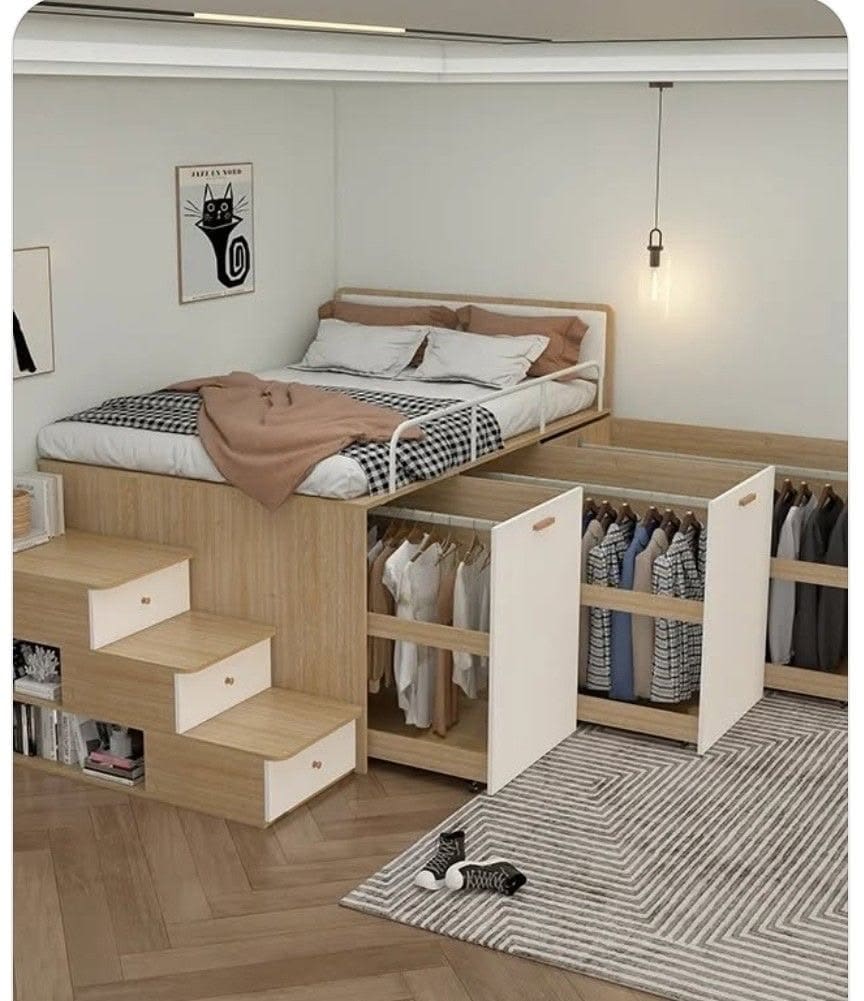
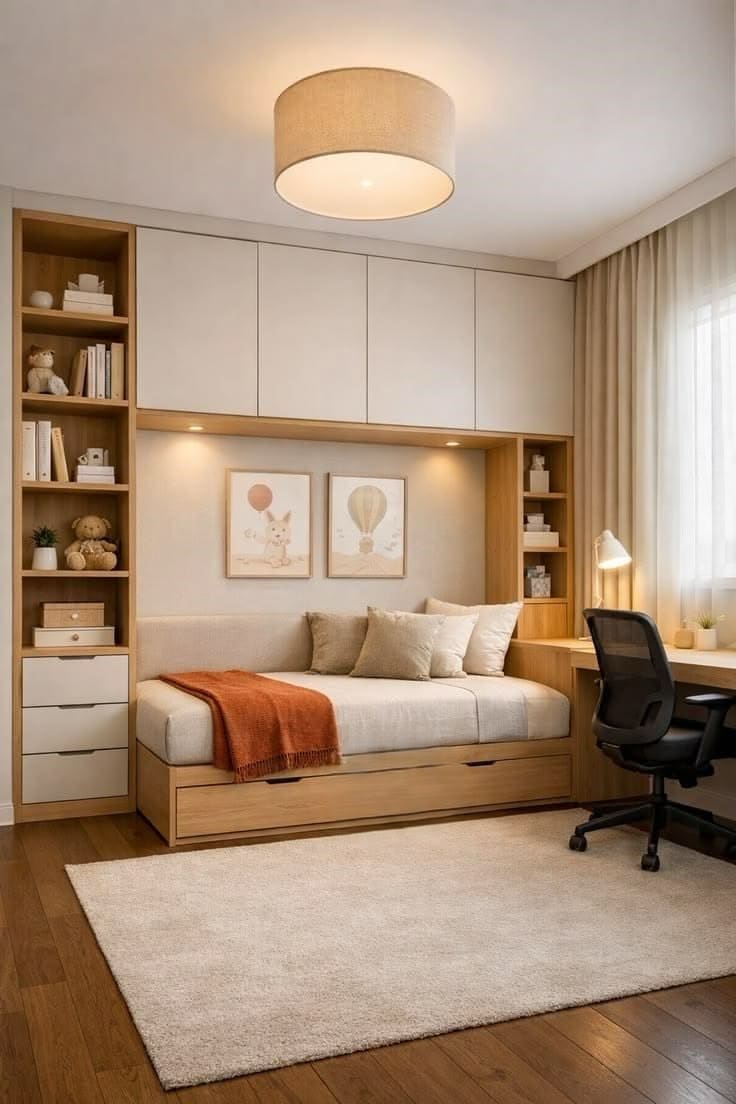
Furniture plays a significant role in creating a bedroom that grows with your child. Rather than purchasing pieces that serve only one stage of childhood, consider multifunctional and adjustable furniture.
Some practical options include:
Convertible beds: Beds that transition from toddler beds into larger sleeping arrangements.
Adjustable desks: Workstations that can accommodate changing heights and study needs.
Modular wardrobes: Storage systems with adjustable shelves and hanging sections.
Multifunctional furniture: Storage benches, beds with drawers and desks with built-in shelving.
3. Create Zones for Different Activities
A well-designed children's bedroom should accommodate more than sleeping. Depending on their age, children need spaces for playing, reading, studying, relaxing and organising their belongings.
Consider dividing the bedroom into functional zones:
Sleeping zone: A comfortable bed with soft lighting and calming colours.
Study zone: A desk, ergonomic chair and accessible storage for books and stationery.
Play zone: An open area with enough room for toys, games and creative activities.
Storage zone: Wardrobes, shelves and baskets that encourage organisation.
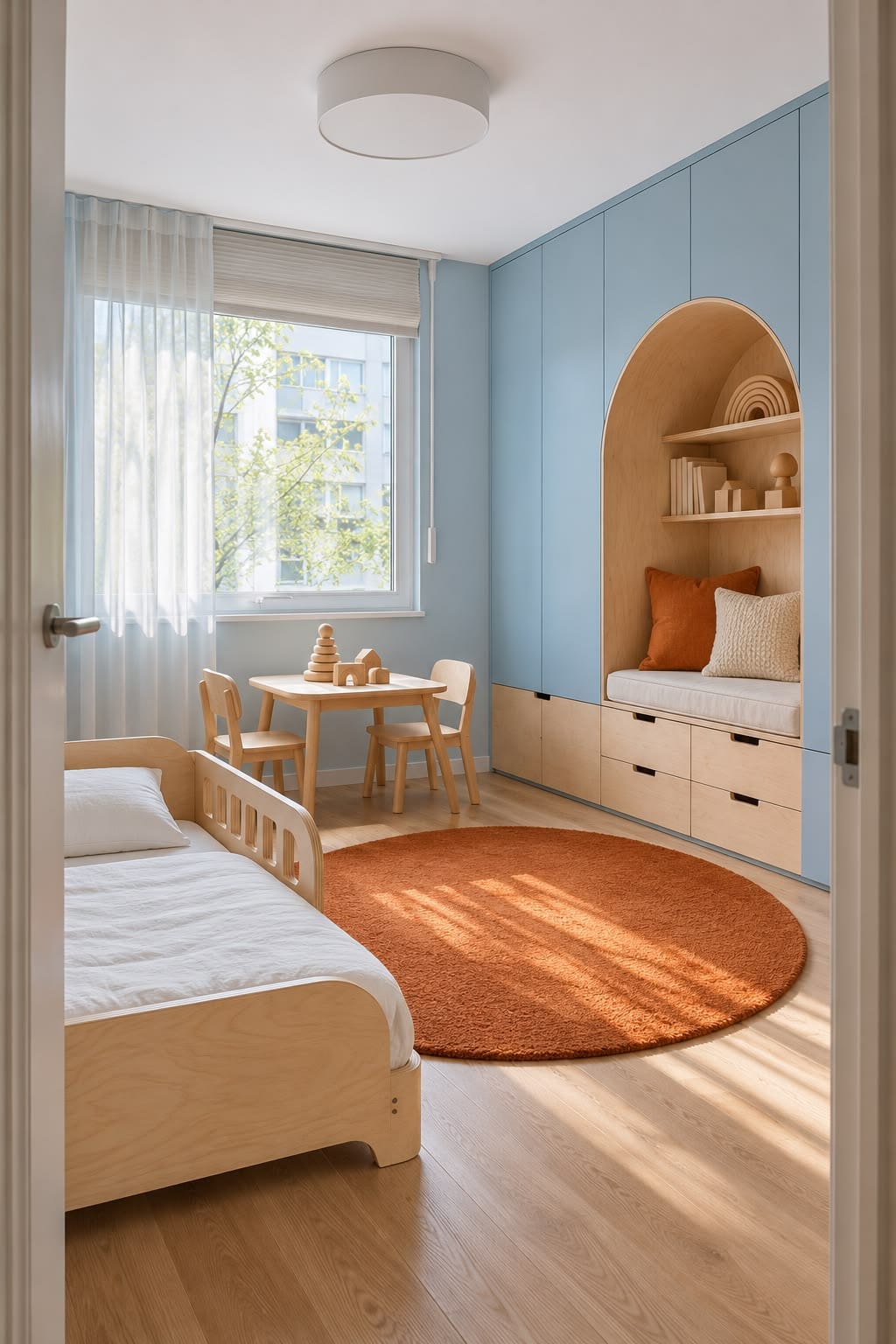
As children grow, these zones can evolve. A play area can eventually become a reading corner, while a small activity table can be replaced with a proper study desk.
4. Use Colour Creatively
Colour is an important part of children's interior design. It influences the mood of a space and allows children to express their personalities.
Instead of committing to an elaborate colour theme, use a balanced palette that can adapt over time.
Soft pastels, warm neutrals and earthy shades create a timeless foundation. Add brighter colours through accessories, rugs, cushions, artwork and bedding.
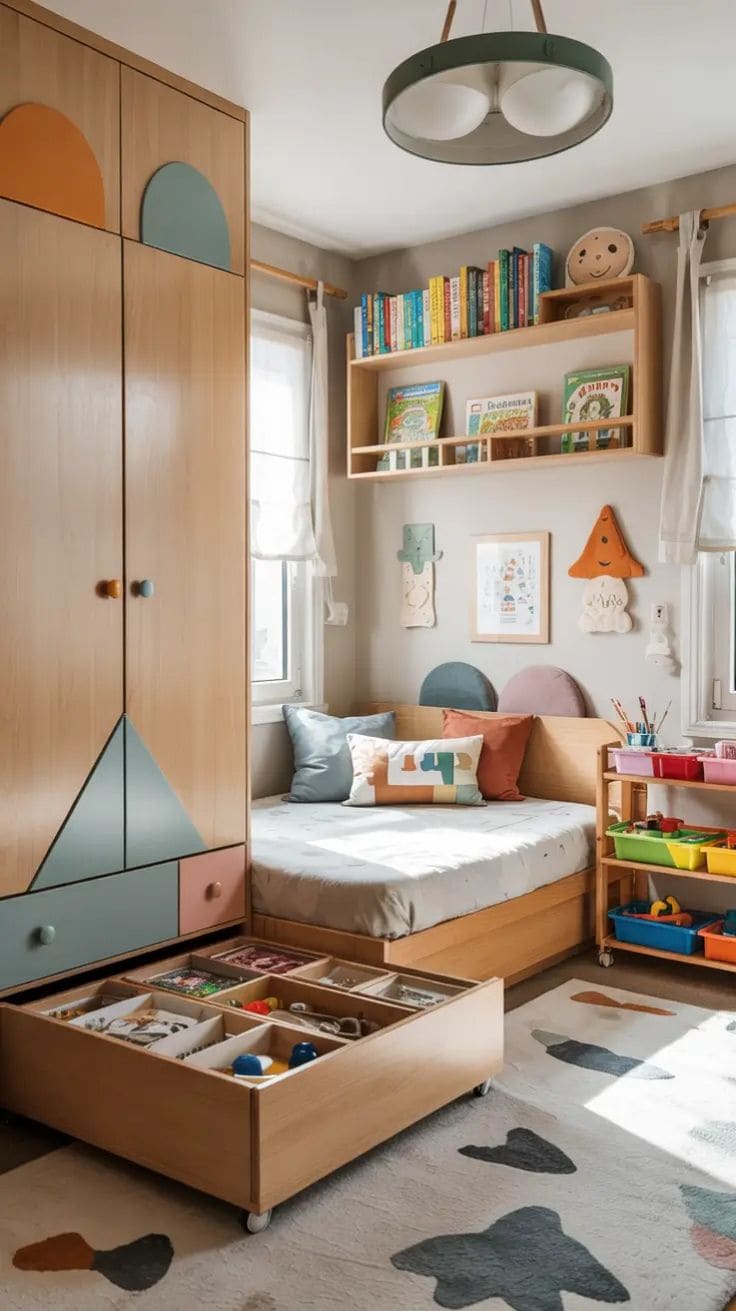
For a more adventurous approach, consider an accent wall that can be repainted as your child's preferences change.
5. Make Storage Part of the Design
Children accumulate toys, books, clothes and personal belongings as they grow. Without proper storage, even the most beautifully designed bedroom can quickly become cluttered.
The best approach is to incorporate storage into the overall design rather than treating it as an afterthought.
Consider:
Built-in wardrobes for clothing and personal belongings.
Open shelving for books, toys and decorative objects.
Under-bed drawers for additional storage.
Storage baskets for toys and smaller accessories.
Wall-mounted shelves to maximise vertical space.
Make storage accessible according to your child's age. Lower shelves and labelled baskets encourage younger children to organise their belongings independently.
6. Incorporate Personality Through Decor
A child's bedroom should feel personal and inspiring. Allowing children to participate in decorating decisions helps create a space that reflects their interests and individuality.
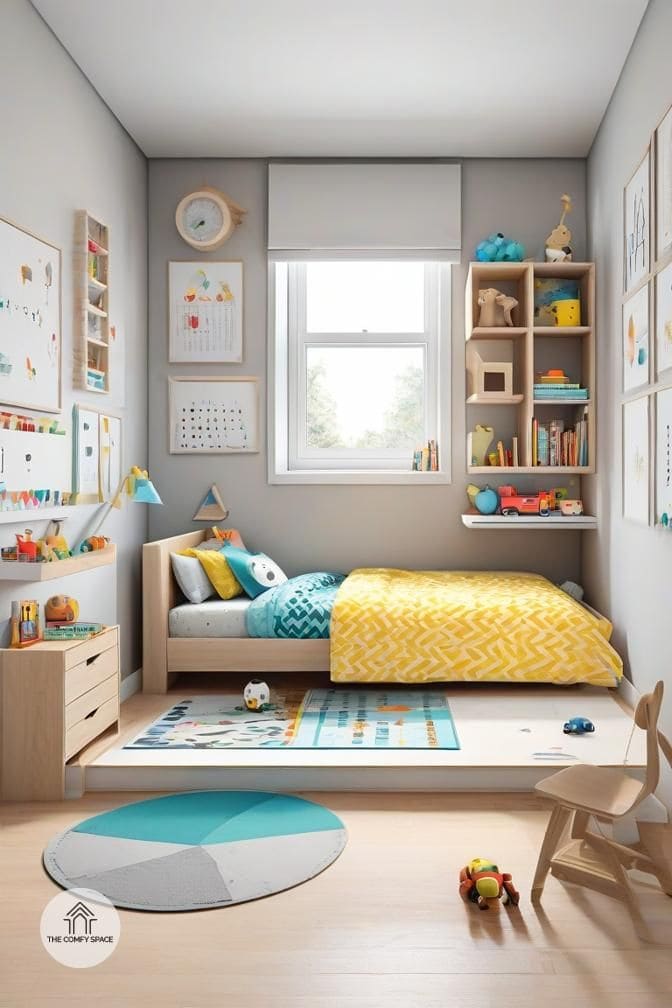
Instead of permanently installing themed elements, introduce personality through easily replaceable accessories.
Think colourful cushions, framed artwork, themed bedding, playful rugs, decorative lighting and display shelves for favourite toys or collections.
This approach makes it easier to refresh the bedroom without changing major design elements.
7. Prioritise Safety and Comfort
A beautiful bedroom must also be safe and comfortable. Choose durable, child-friendly materials and furniture with rounded edges where appropriate.
Ensure that heavy furniture is securely anchored, electrical outlets are protected, and window treatments have safe cord arrangements.
Good ventilation, appropriate lighting and comfortable bedding also contribute to a healthy sleeping environment.
As children become older, their need for privacy and independence should also be considered when planning the layout.
Designing a bedroom that grows with your child is about creating a balance between imagination, practicality and long-term functionality.
By investing in adaptable furniture, flexible storage, timeless colour palettes and personalised accessories, you can create a space that evolves naturally with every stage of childhood.
The most successful children's bedrooms are not necessarily the ones with the most elaborate themes or expensive furniture. They are the ones that allow children to feel comfortable, express themselves, explore their creativity and grow.