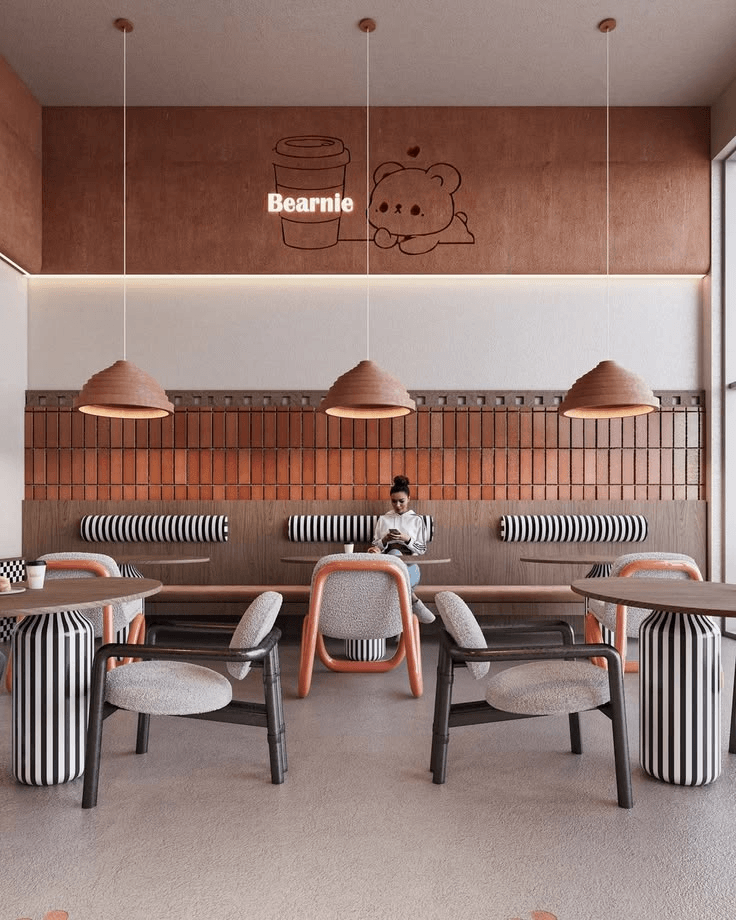
Restaurants, what can i say, have you ever walked into a restaurant and immediately fallen in love with the atmosphere before you've even looked at the menu? When someone searches up restaurants to go, the ambience usually comes first, for the perfect photo.Sometimes, it's the warm lighting, the comfortable seating, the textures on the walls, or the way everything comes together that makes you want to settle in and enjoy the experience a little longer.
In this article, we'll explore the interior design elements that make restaurants memorable, how different styles influence the mood of a space, and how thoughtful design can turn an ordinary meal into an experience worth coming back for.
1. Lighting that sets the Mood
Lighting can completely change how a restaurant feels. Soft, warm lighting creates an intimate and relaxed atmosphere, making it ideal for romantic dinners and cosy dining spaces. Brighter, more focused lighting, on the other hand, works well in casual cafés and lively restaurants where visibility and energy are important.
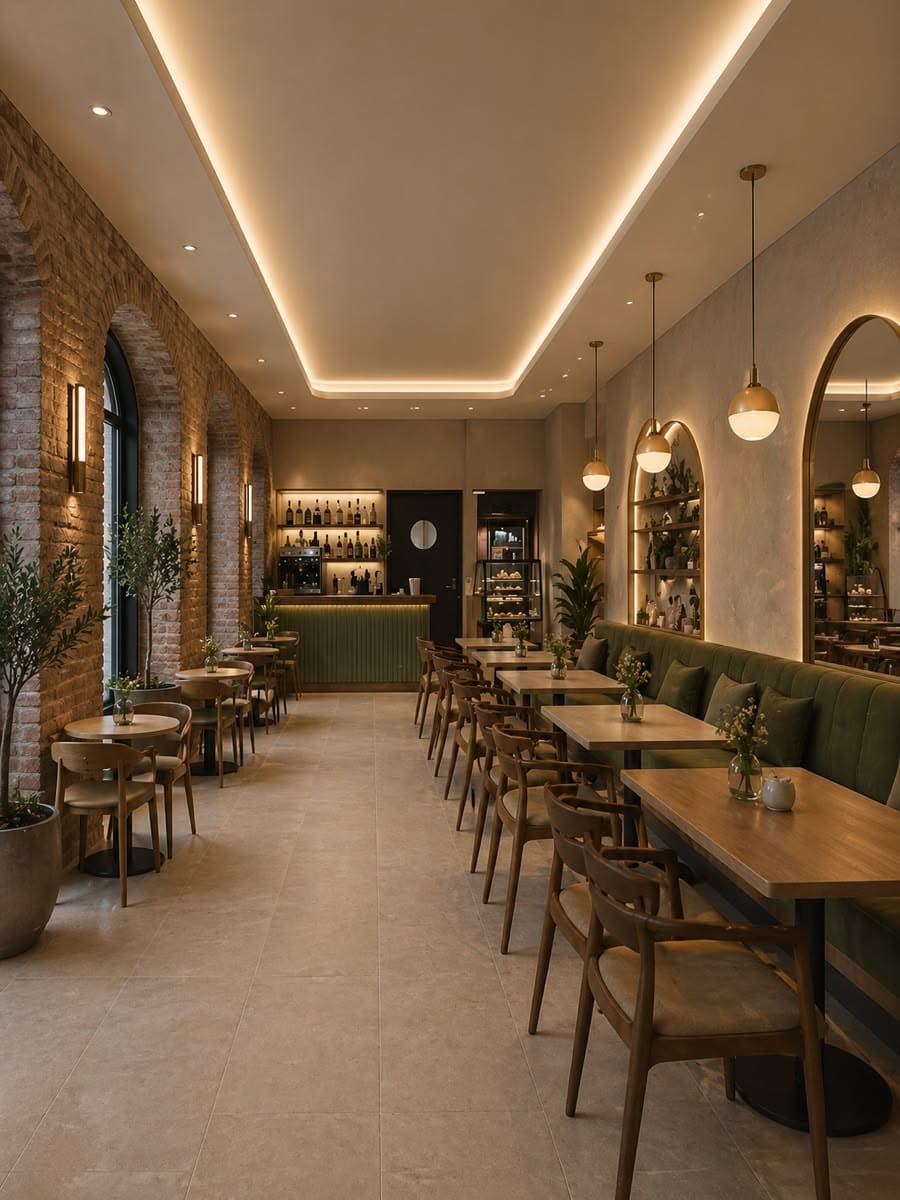
Pendant lights above dining tables, concealed LED strips along shelves, and accent lighting on textured walls can all add depth and character to a restaurant interior.
The secret is layering different types of lighting rather than relying on a single overhead source. This creates a more inviting atmosphere while highlighting the features that make the space unique.
2. Comfortable seating
Comfort is vital cause a restaurant can be designed beautifully but uncomfortable seating could ruin the experience. Upholstered banquettes, cushioned chairs, curved booths, and thoughtfully spaced dining tables can make guests feel more at ease. Different seating arrangements can also serve different needs, from intimate corners for couples to larger communal tables for groups of friends.
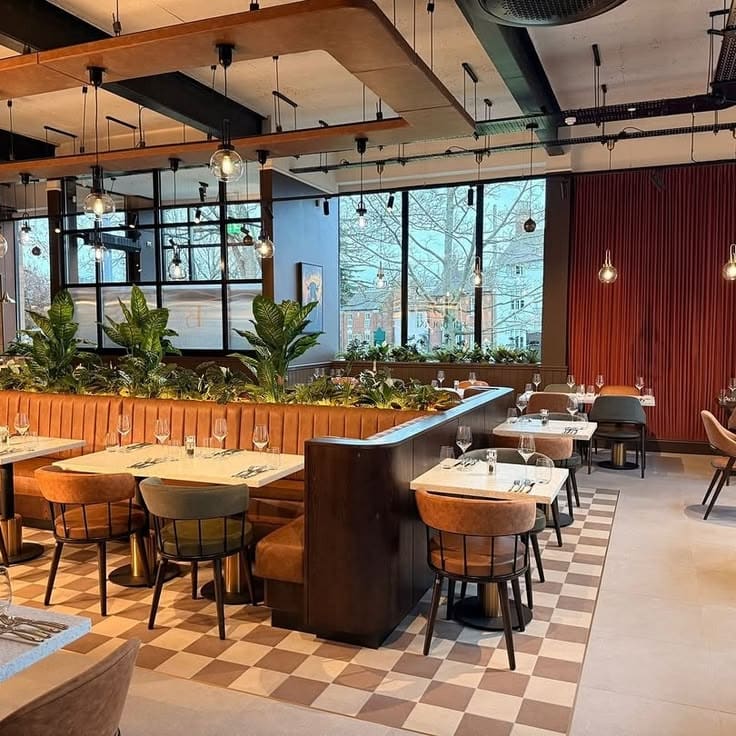
The goal is to strike a balance between comfort, accessibility, and efficient use of space. When guests can relax without feeling crowded, the entire experience becomes more enjoyable.
3. Colours that create an experience
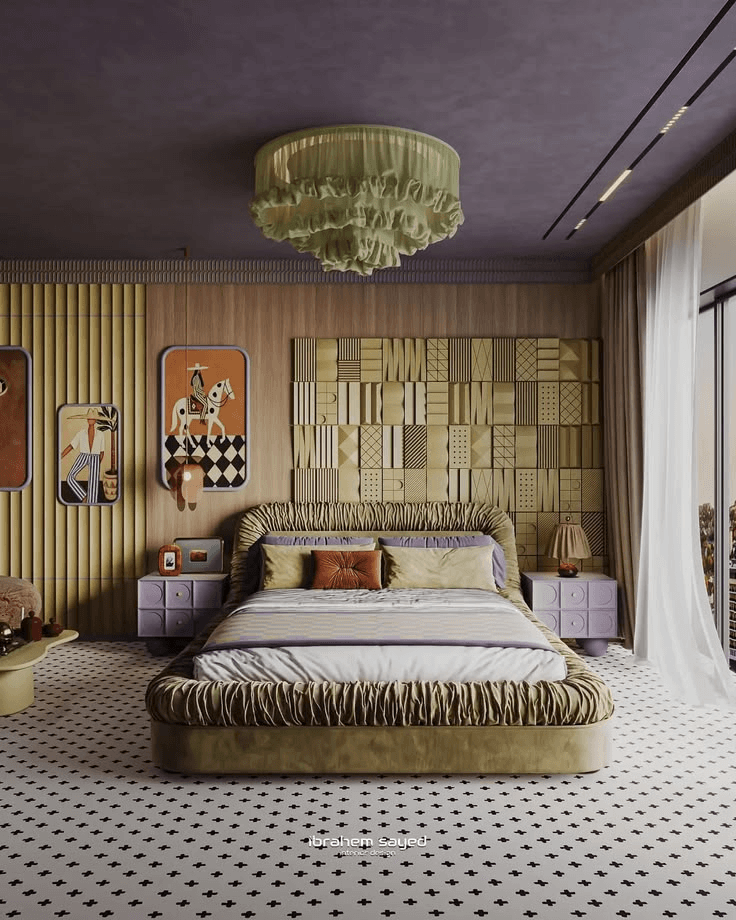
Colour has a powerful influence on the character of a restaurant. Earthy tones such as terracotta, olive green, and warm beige can create a grounded, natural atmosphere, while deeper shades of burgundy, navy, or forest green can introduce a sense of drama and sophistication.
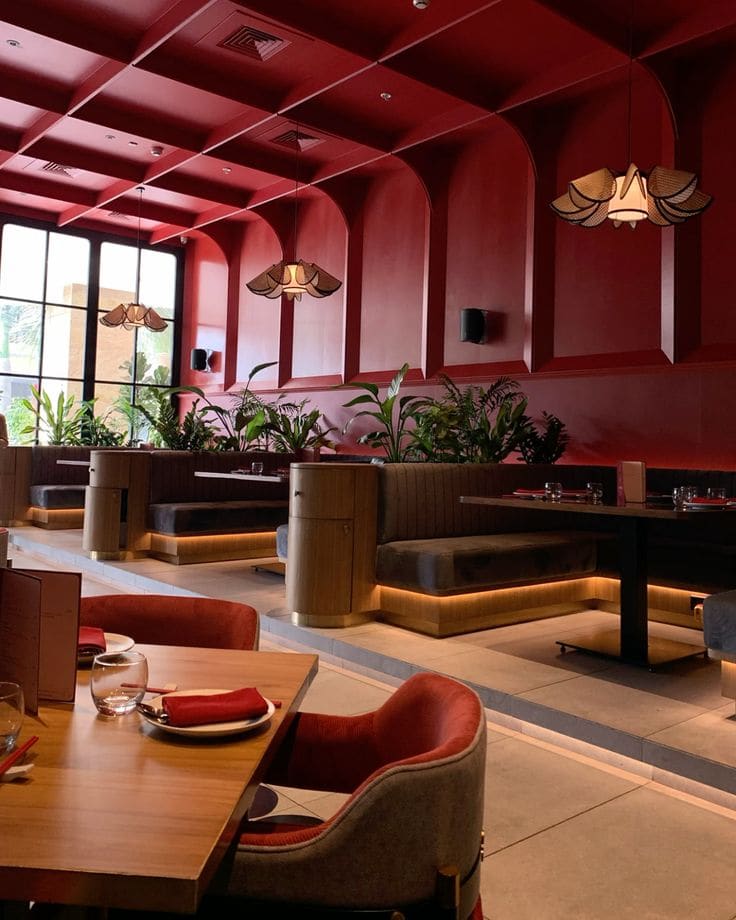
For restaurants inspired by particular cultures or cuisines, colour can also help tell a story. Rich coastal tones, African-inspired patterns, or vibrant Mediterranean hues can create a distinctive identity without overwhelming the interior.
4. Materials and Textures That Bring the Space to Life
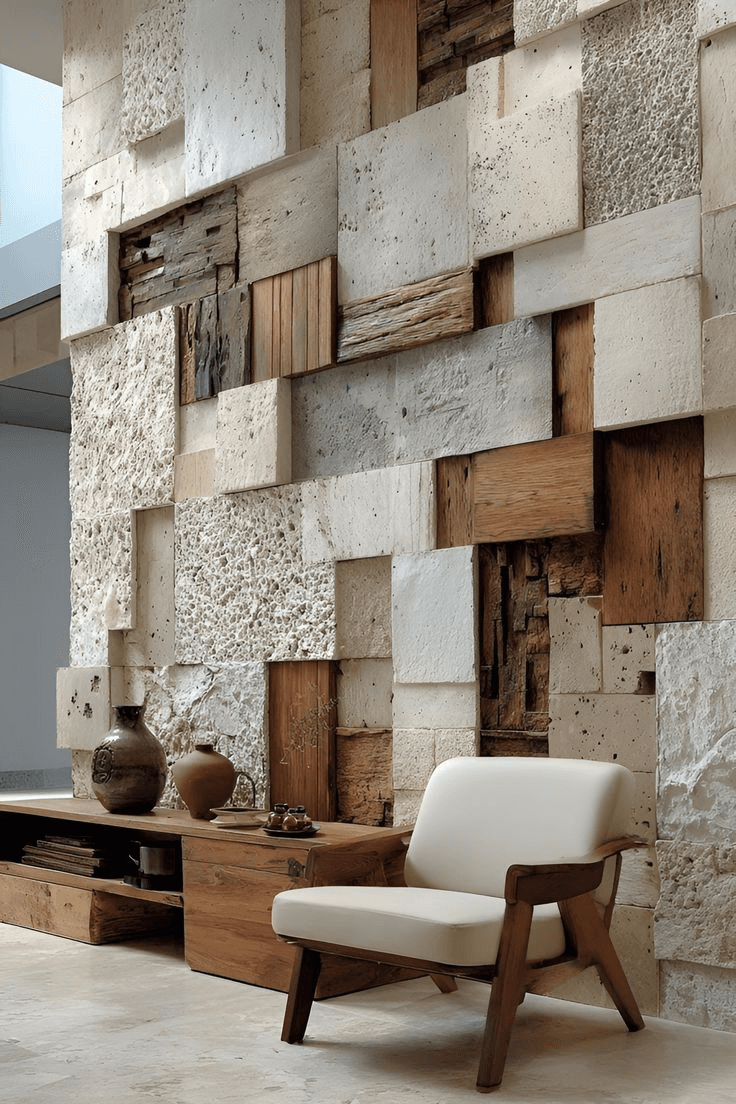
The materials used in a restaurant can influence how welcoming, refined, or relaxed it feels. Natural wood introduces warmth, stone adds texture, metal creates an industrial edge, and woven materials can soften a space.
Combining different textures is what makes an interior feel layered and interesting. Imagine smooth tabletops paired with textured plaster walls, timber ceiling details, and upholstered seating. Each material contributes something different, creating a balanced and memorable environment.
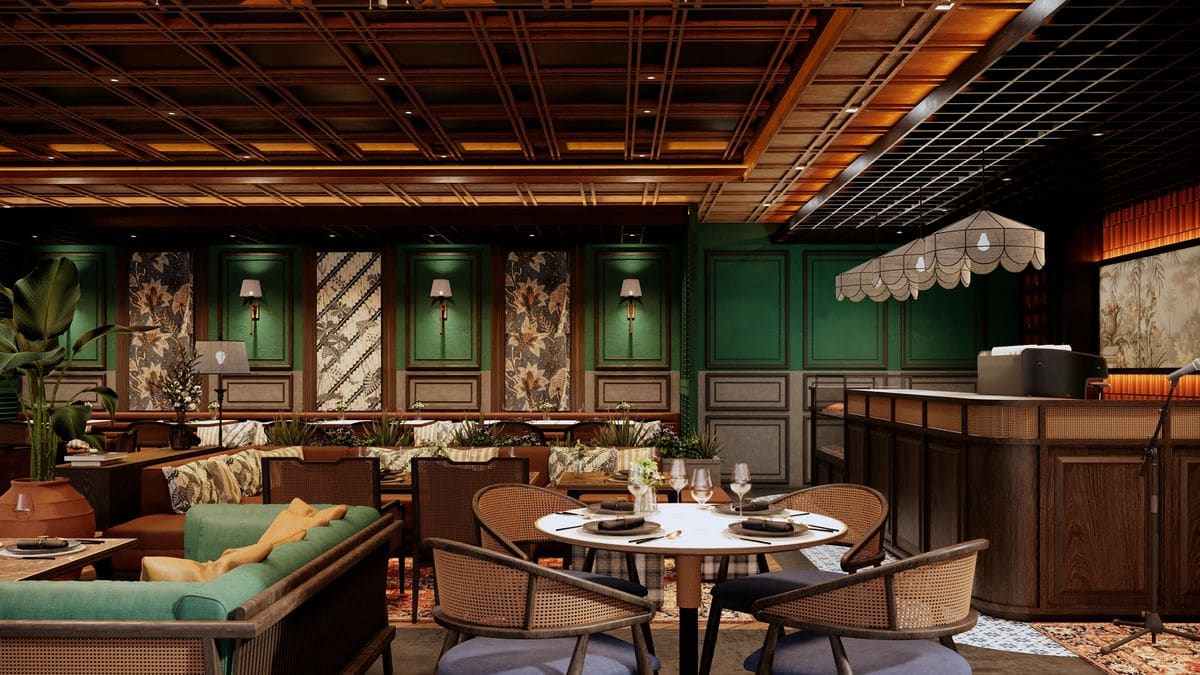
Of course, practicality matters just as much as appearance. Restaurant finishes should be selected with durability, cleaning, maintenance, and the demands of high-traffic use in mind.
5. A Layout That Feels Natural
A good restaurant layout does more than fit tables into a room. It guides movement, creates a sense of privacy, and helps the space function smoothly for both guests and staff.
Clear circulation routes, well-positioned service counters, comfortable distances between tables, and carefully planned seating zones can make a restaurant feel organised without appearing rigid.
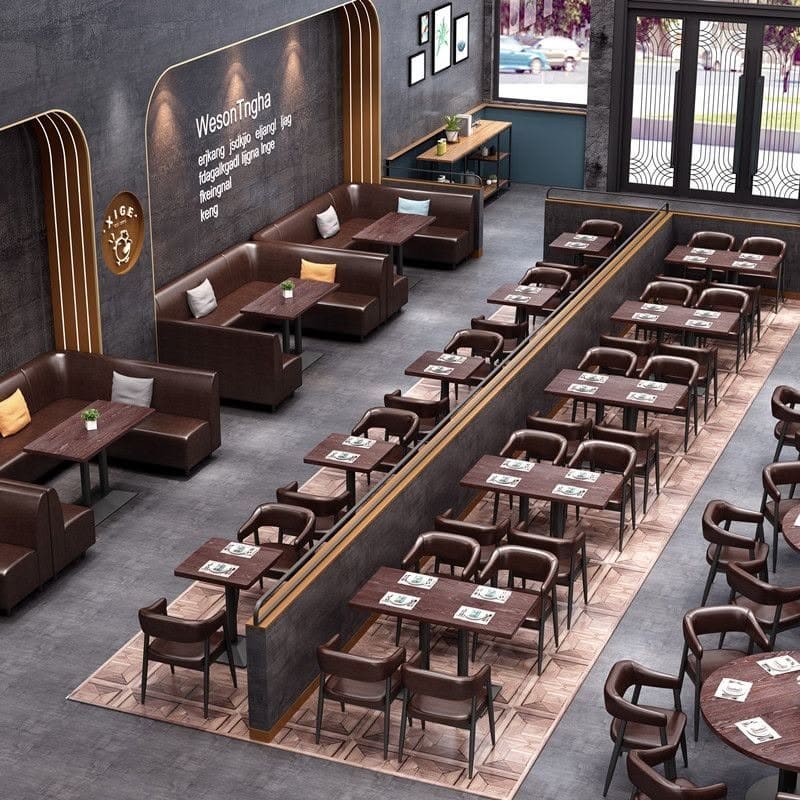
The image showcases proper circulation making it not feel clustered.
6. Statement Features
Every memorable restaurant benefits from a detail that catches the eye. It could be a sculptural ceiling, an artistic feature wall, an unusual reception counter, a striking pendant light, or a carefully curated display of local artwork.
However, statement features work best when they complement the overall concept. A single, well-executed feature can have a stronger impact than filling the space with competing design elements.
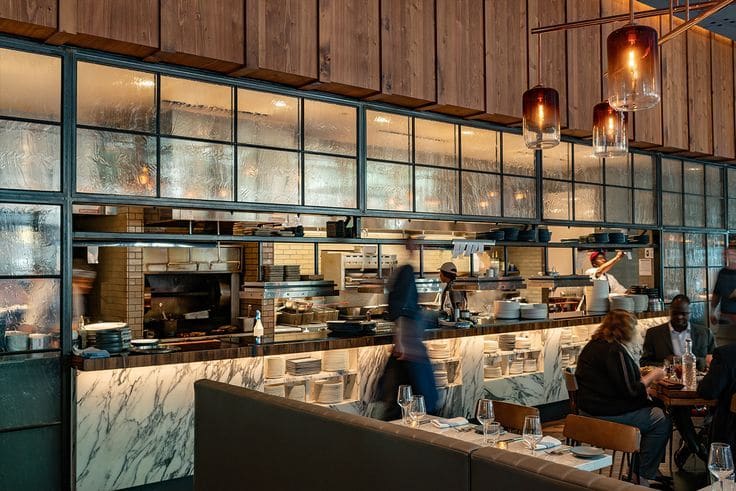
This image showcases a beautifully designed counter area with a cohesive mix of materials such as glass, metal, wood and marble.
7. Bringing Nature Indoors
Plants, natural materials, and organic forms can make a restaurant feel calmer and more inviting. From a few carefully placed potted plants to a dramatic green wall.
This approach works particularly well in restaurants that want to create a relaxed atmosphere, although plant selection and placement should account for maintenance, ventilation, hygiene, and the practical needs of the dining space.
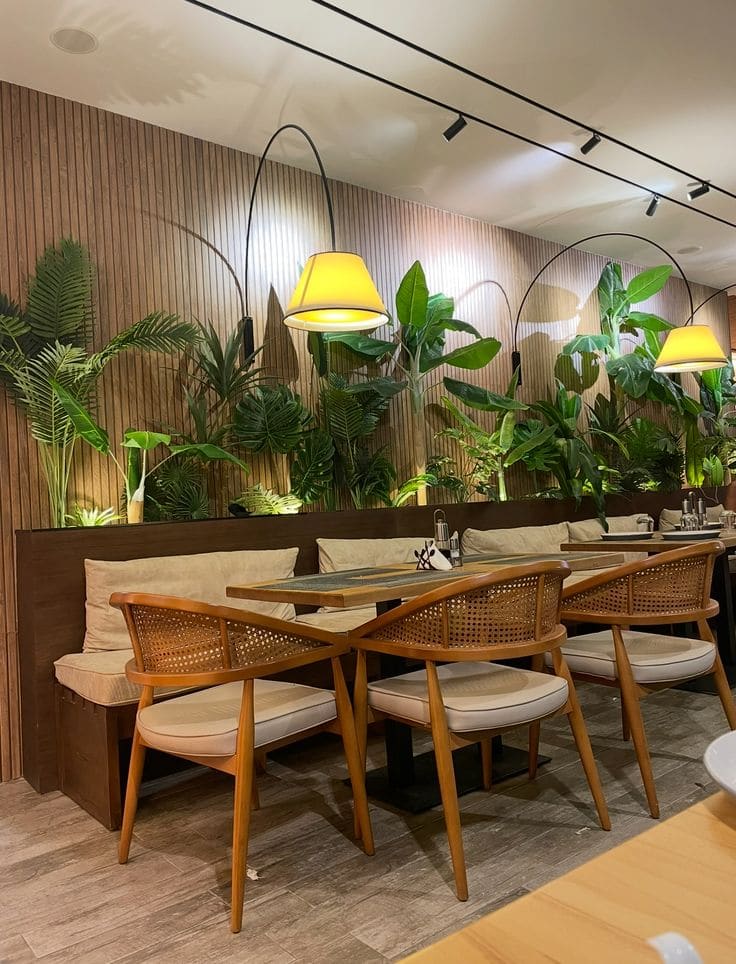
8. Designing an Interior That Tells a Story
The most distinctive restaurant interiors feel connected to the identity of the business. The design might draw inspiration from local culture, the cuisine being served, the surrounding environment, or a particular architectural style.
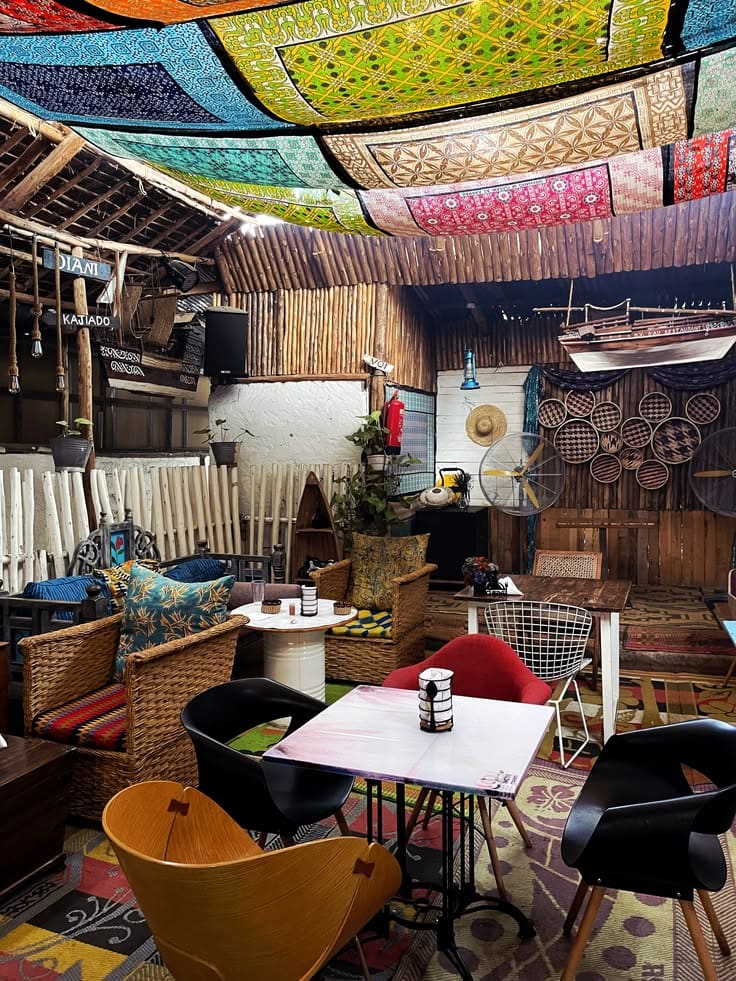
For example, this Swahili-inspired restaurant incorporates carved timber, patterned details, warm colours, and handcrafted décor.
"Ultimately, great restaurant design is about finding the right balance between beauty, comfort, and functionality. When a space reflects its identity while making guests feel welcome, it becomes more than just a place to eat — it becomes a place people want to experience again."