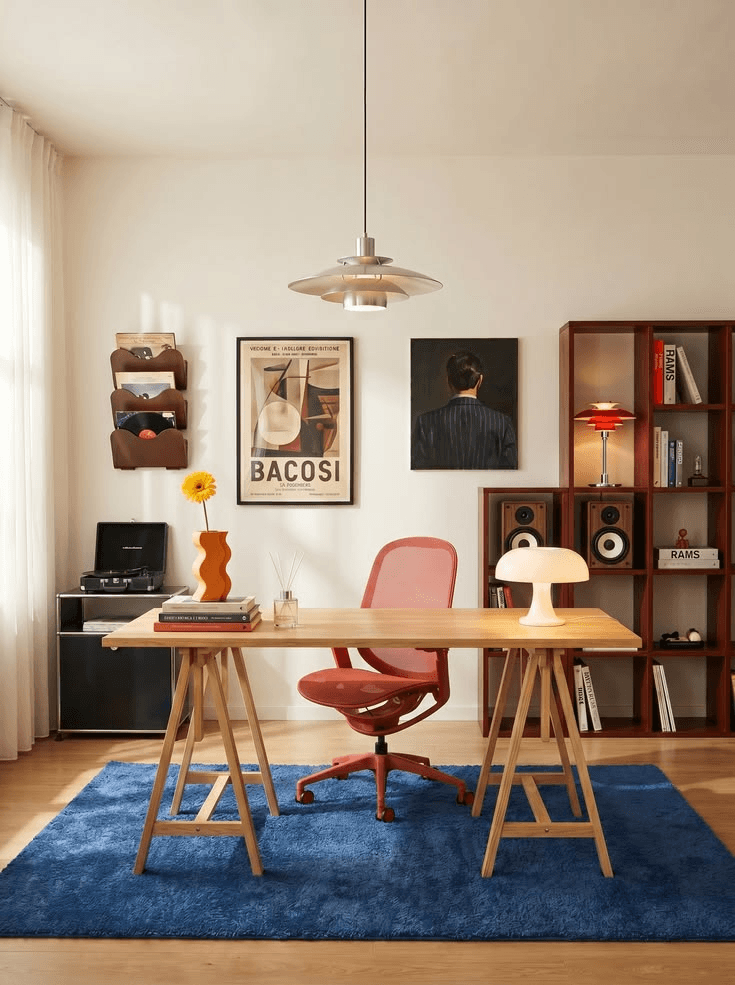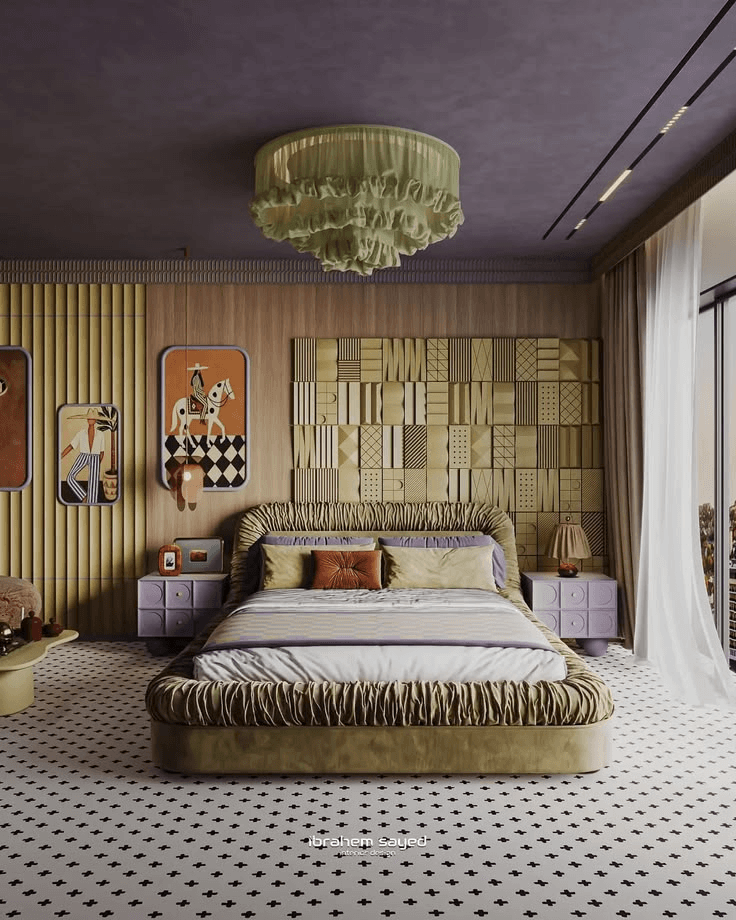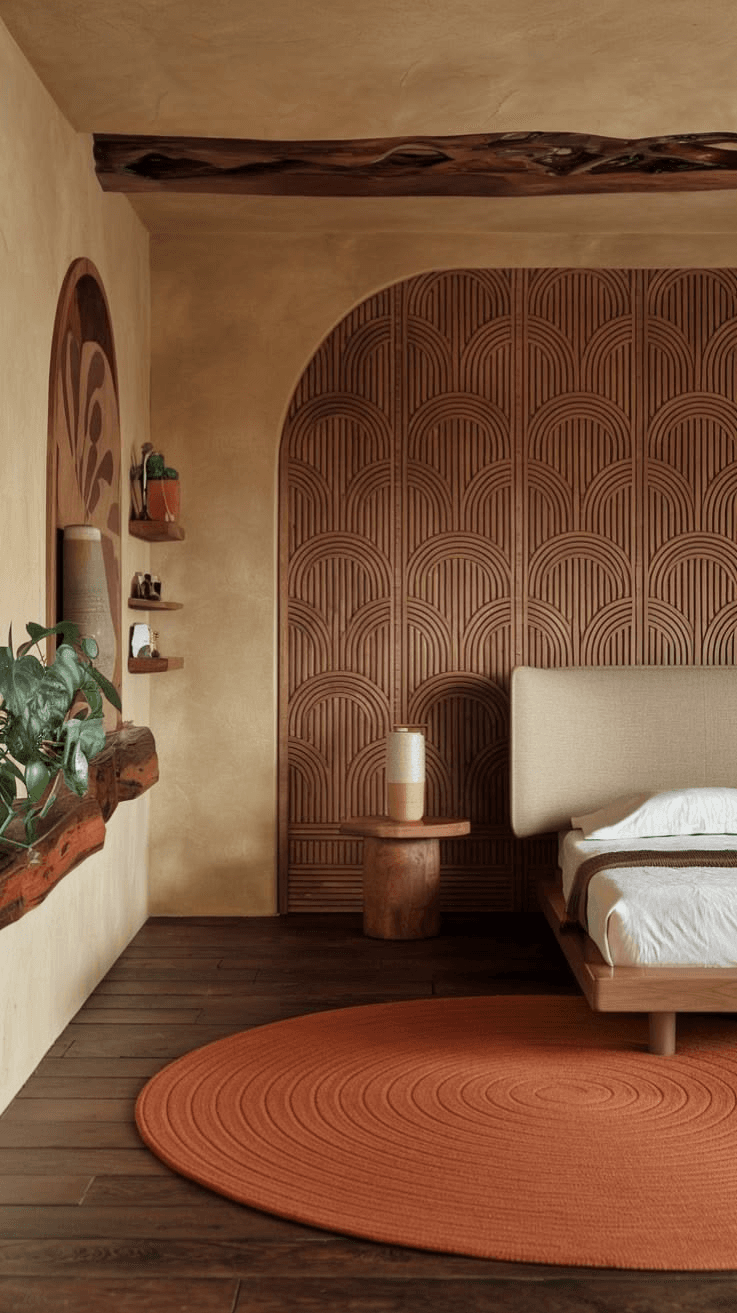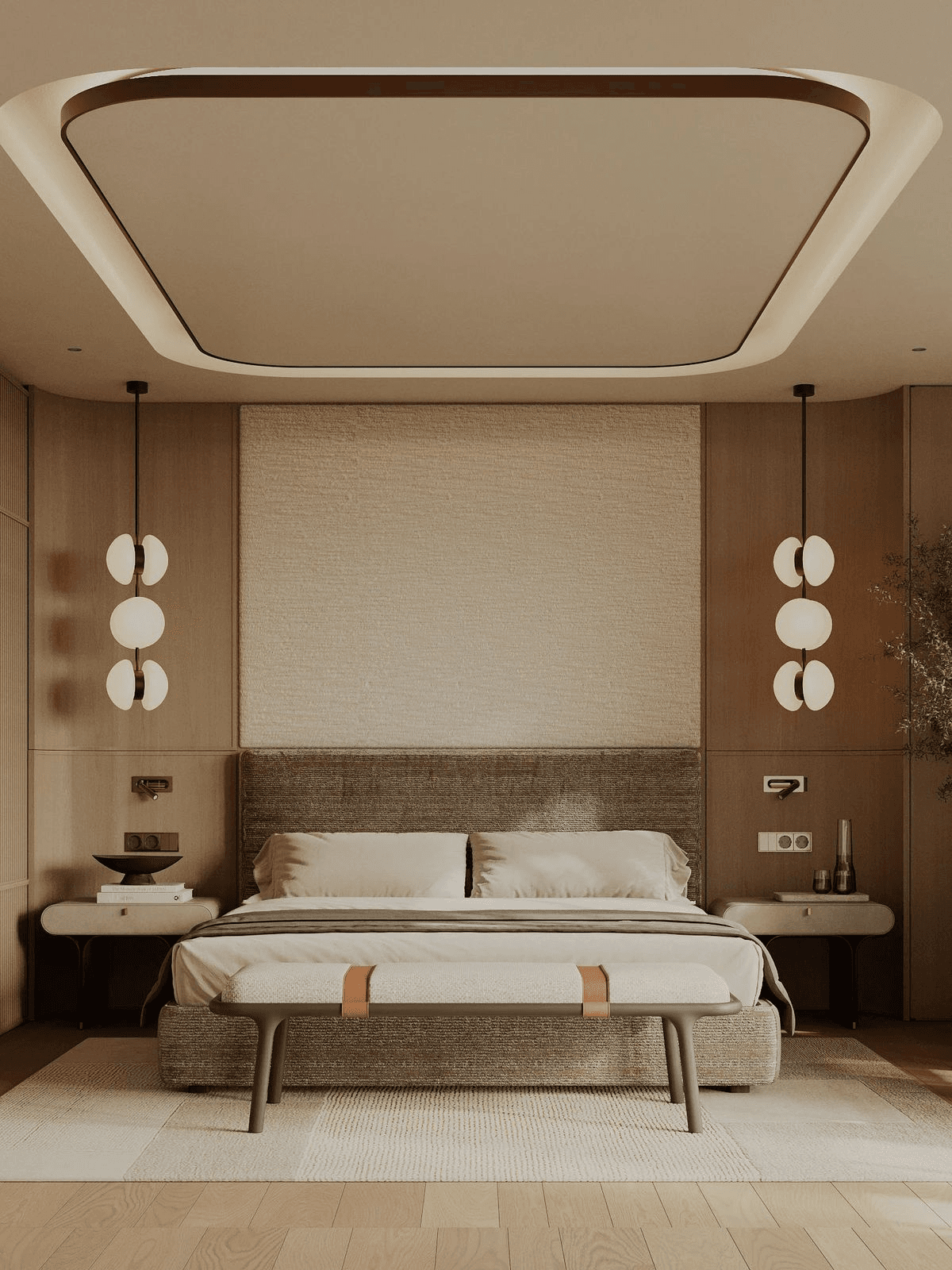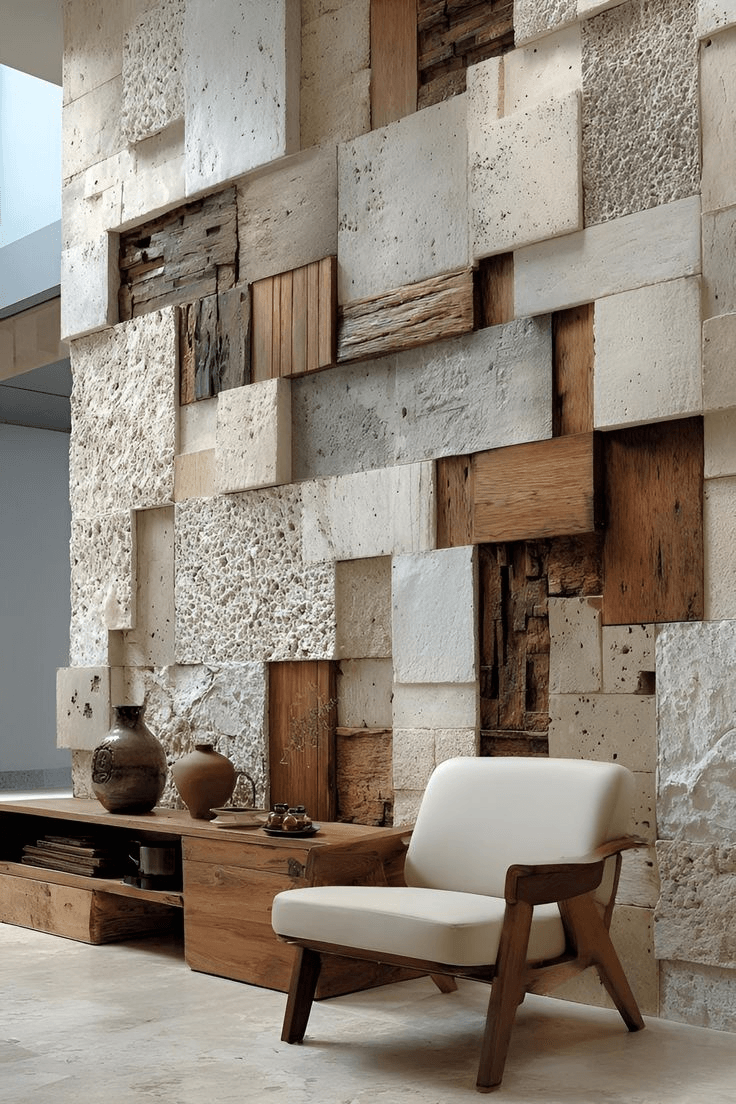
Ever walked into a beautifully designed space and wondered what makes it feel so complete? Sometimes, it's not the furniture or the décor that catches your eye first, but the finishes that bring everything together
Whether you're designing a home, renovating a room, or simply looking for inspiration, understanding different finishes can help you make choices that are both beautiful and practical. Let's explore some of the most popular interior finishes and how you can use them to transform your space.
1. FLOORING: The Foundation of Your Design
Flooring does more than provide a surface to walk on; it sets the tone for the entire interior. The right choice can make a room feel warm and inviting, sleek and modern, or bold and expressive.
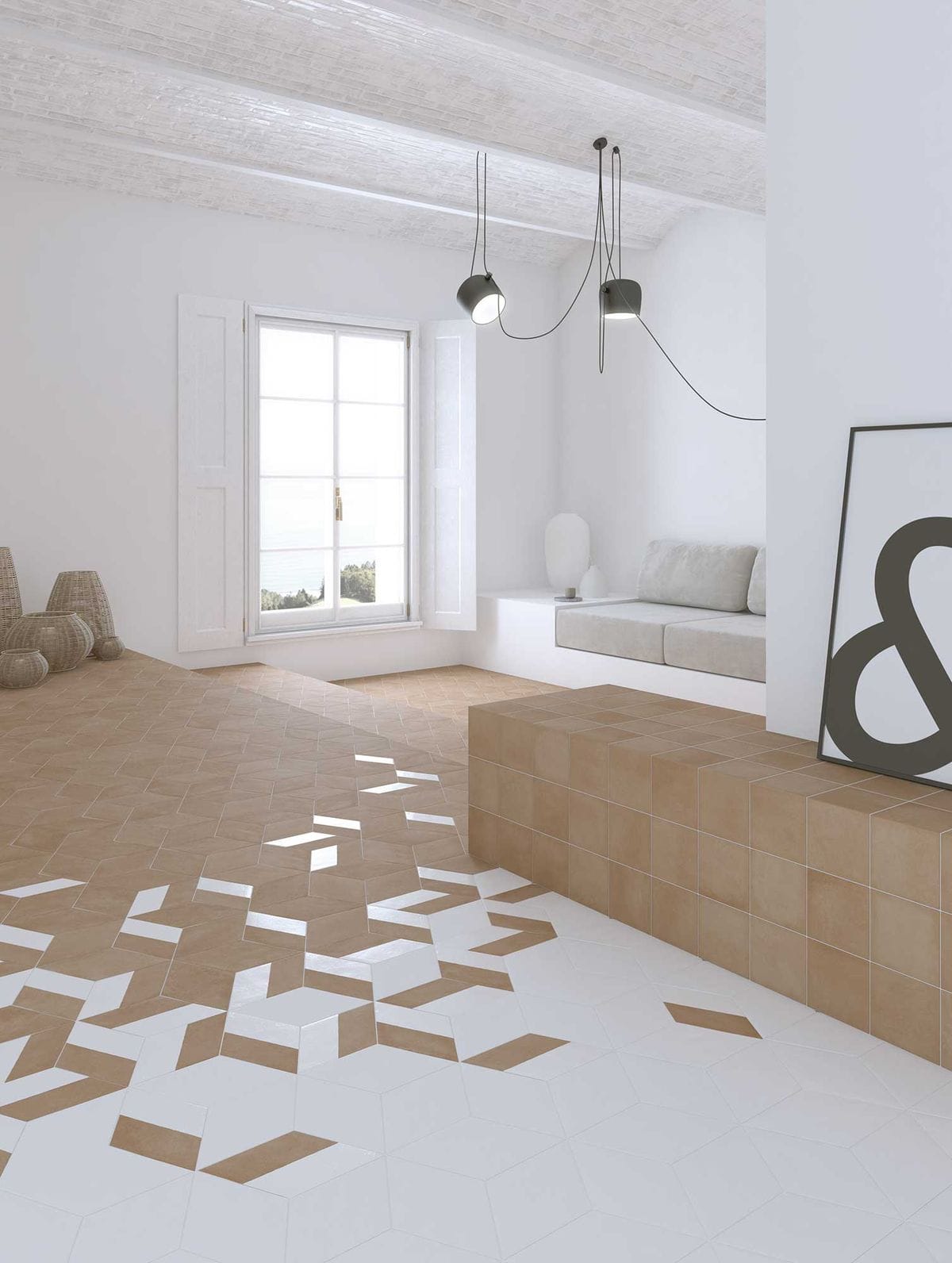
Popular flooring options include;
Porcelain and ceramic tiles
Durable and easy to maintain, making them suitable for kitchens, bathrooms, and living areas. Porcelain is generally denser and less porous than standard ceramic tile.
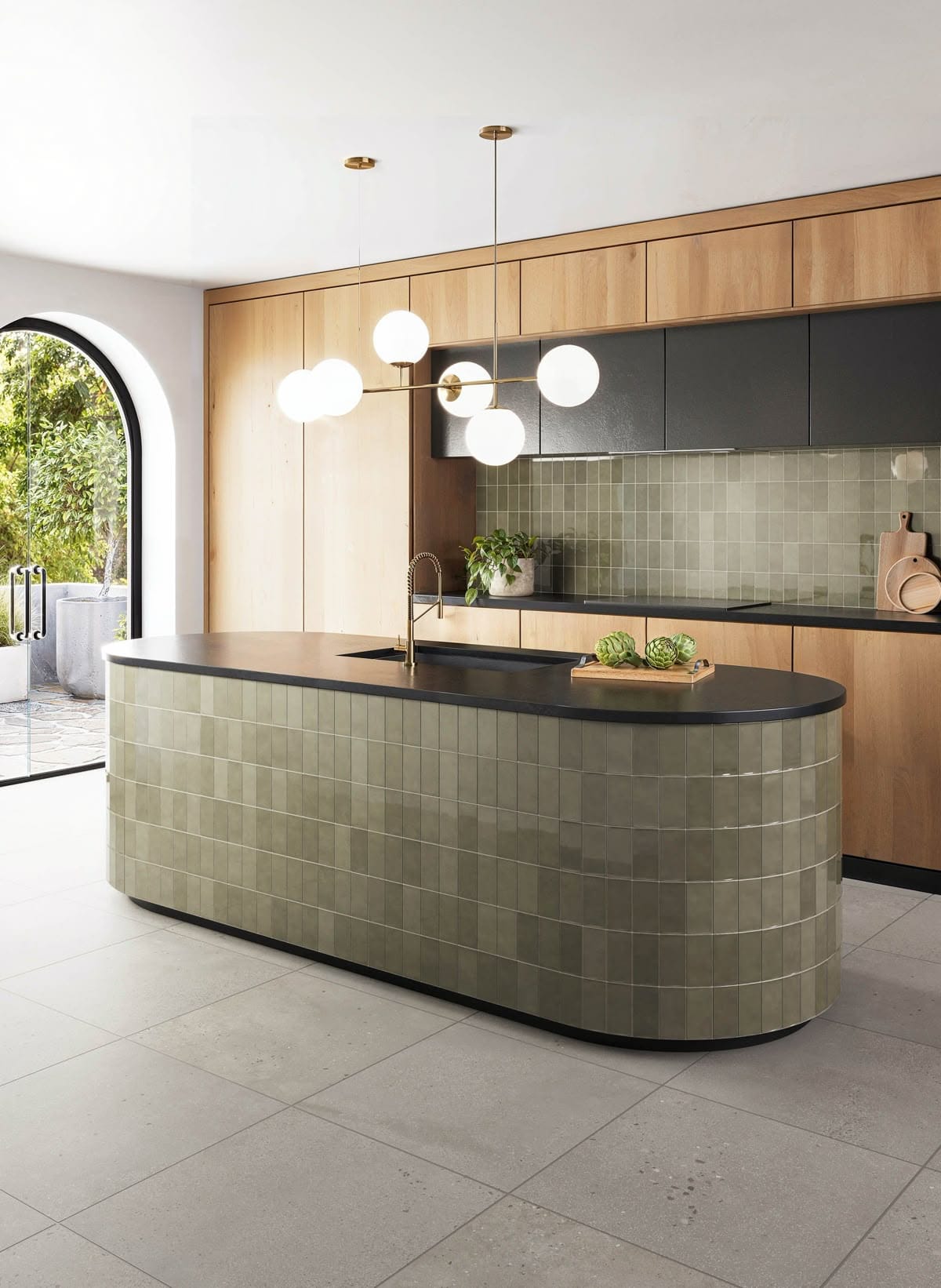
Choose Porcelain For High-traffic commercial or residential floors, busy hallways, kitchens, bathrooms, shower surrounds, swimming pool decks, and outdoor patios.
Choose Ceramic For Low-to-moderate traffic indoor floors, decorative accent walls, kitchen backsplashes, and budget-conscious indoor renovations.
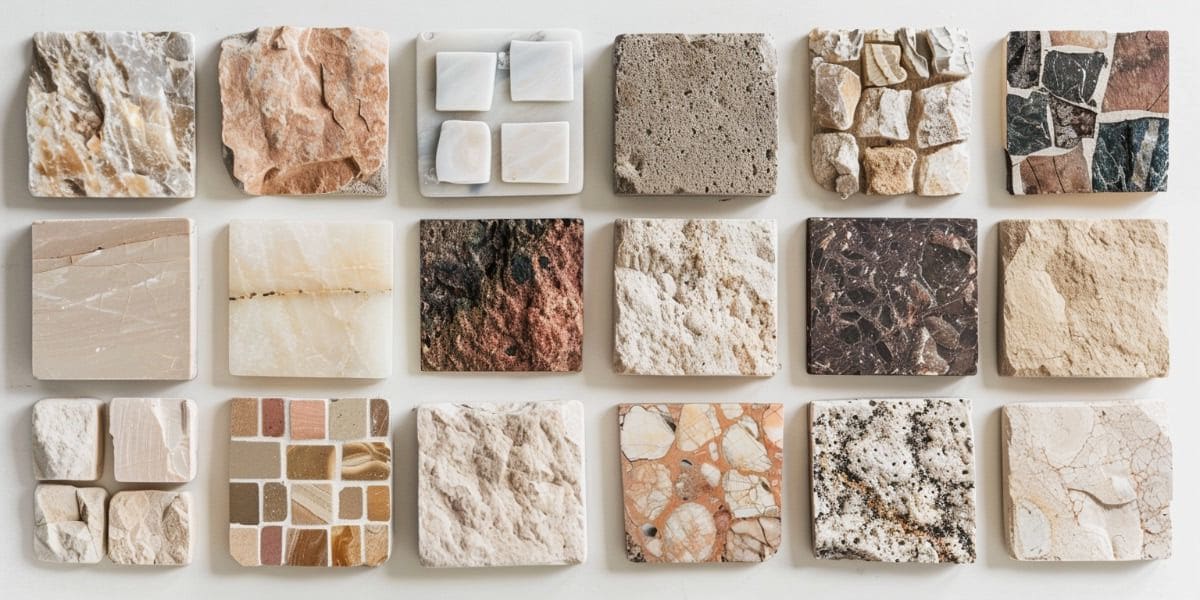
Natural stone
Marble, granite, and travertine introduce natural patterns and a sense of luxury. They may require sealing and specific maintenance depending on the stone.
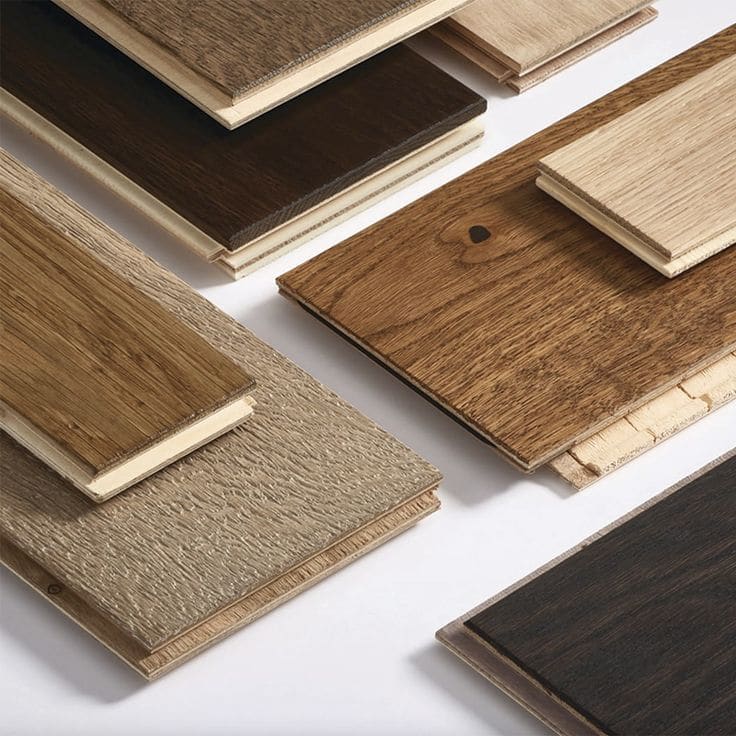
Timber and wood-look flooring
Bring warmth and natural character to bedrooms, lounges, and other living spaces.
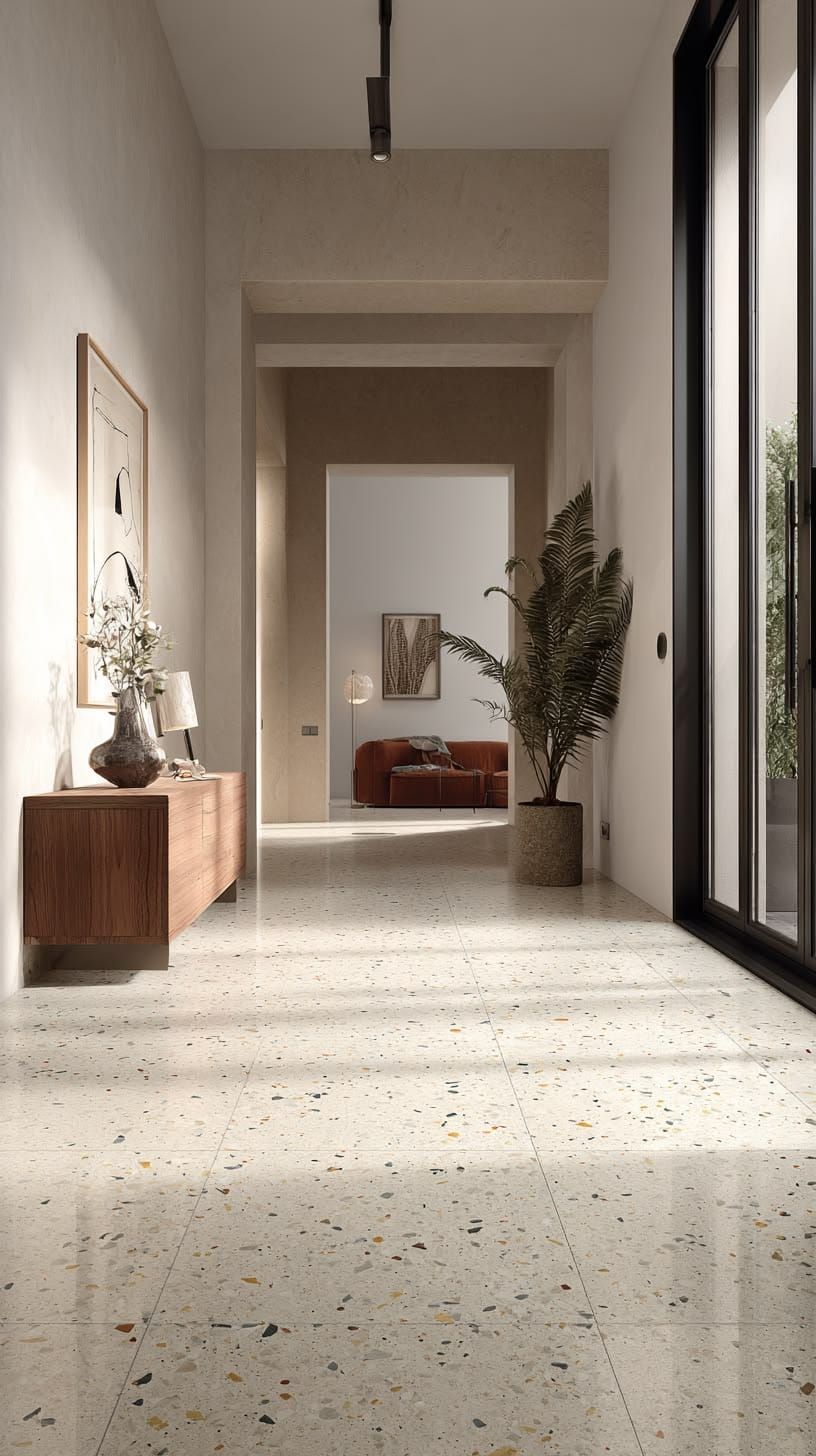
Terrazzo
Combines decorative aggregates with a cementitious or resin-based binder, creating a distinctive finish that works beautifully in contemporary interiors.
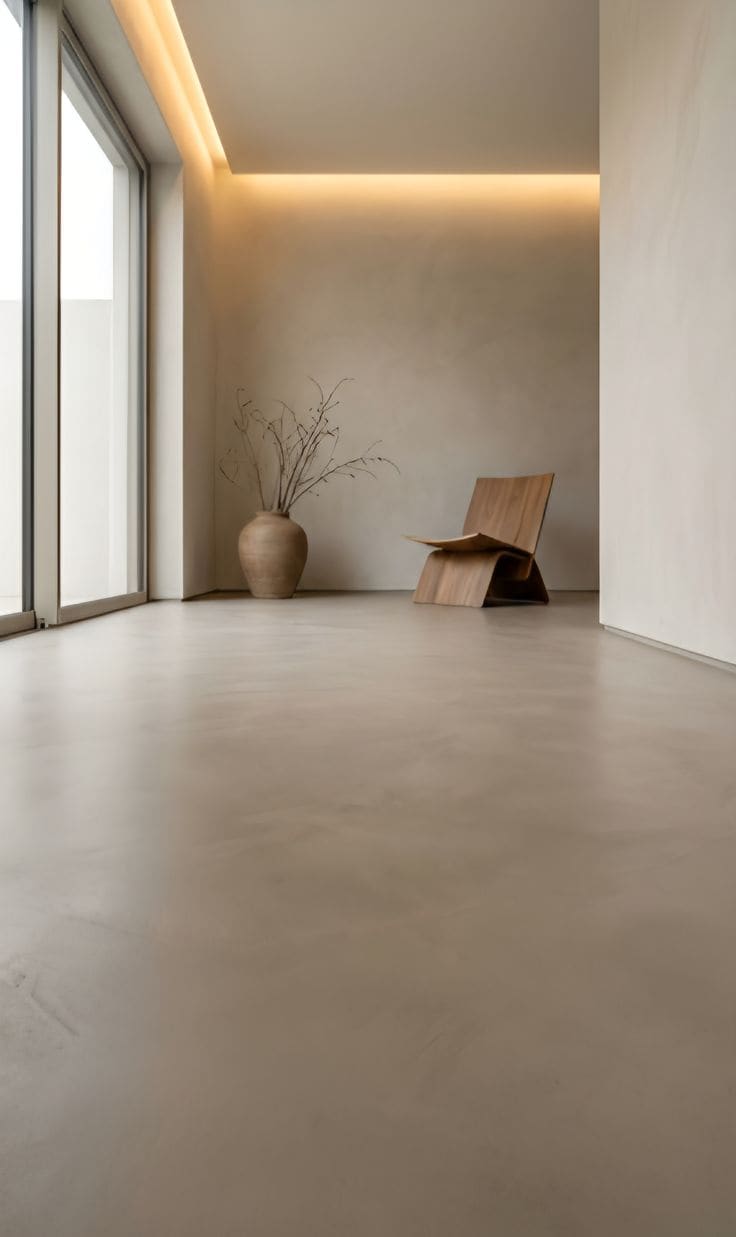
Polished concrete
Offers a clean, modern appearance that suits minimalist, industrial, and contemporary spaces.
When choosing flooring, consider more than just colour. Think about slip resistance, durability, maintenance, moisture exposure, and how the finish will complement the rest of your design.
2. WALL TREATMENTS: Adding Character and Texture
Walls are an opportunity to introduce personality into a room. While a simple painted wall can look beautiful, experimenting with different finishes can add depth, texture, and visual interest.
Paint
One of the most versatile ways to transform a space. Matte finishes create a soft, understated look, while satin and semi-gloss finishes can be useful where greater cleanability is needed.
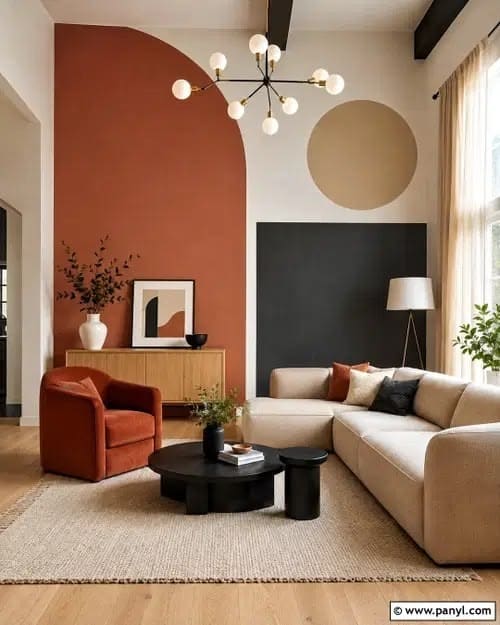
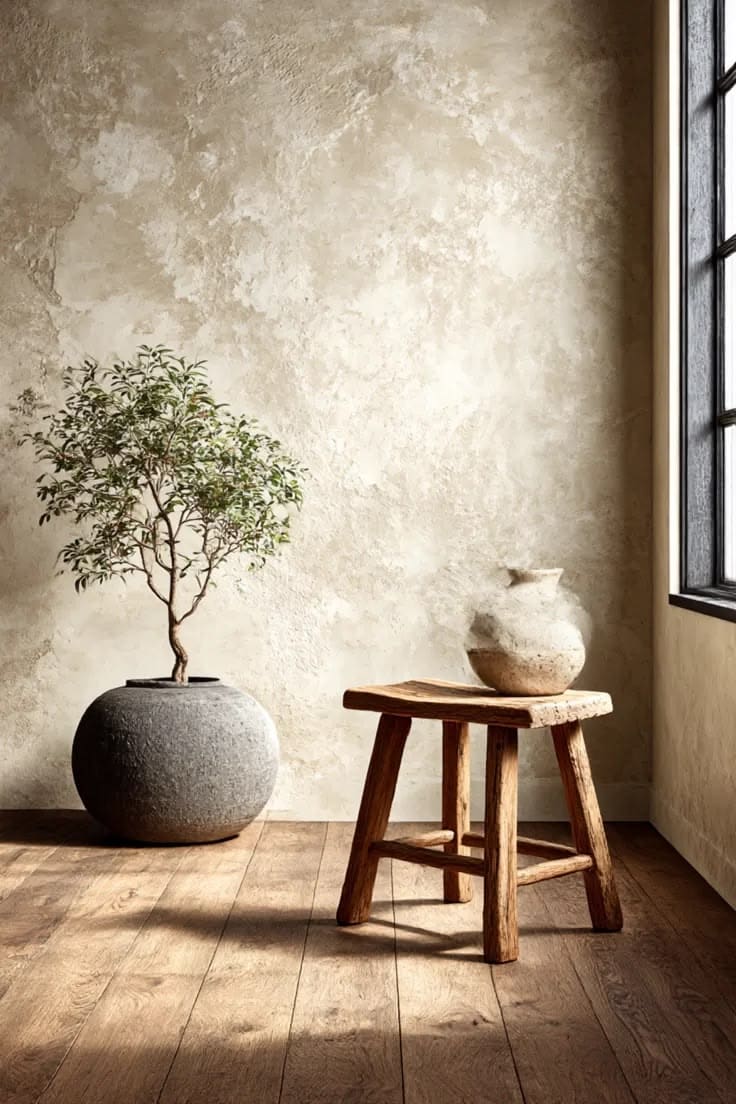
Textured plaster
Adds subtle movement and an organic feel, making it a lovely choice for warm minimalist, Mediterranean, and contemporary interiors.
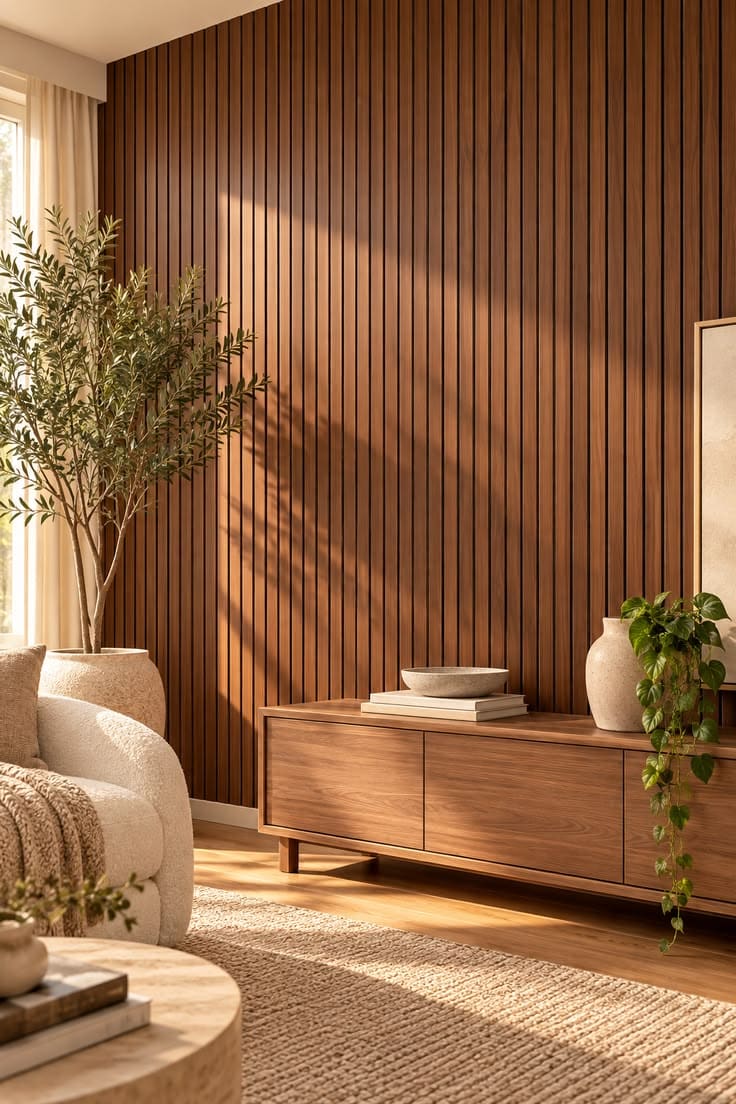
Wood panelling
Creates warmth, rhythm, and architectural interest. It can be used behind a bed, around a television feature wall, or in a living room.
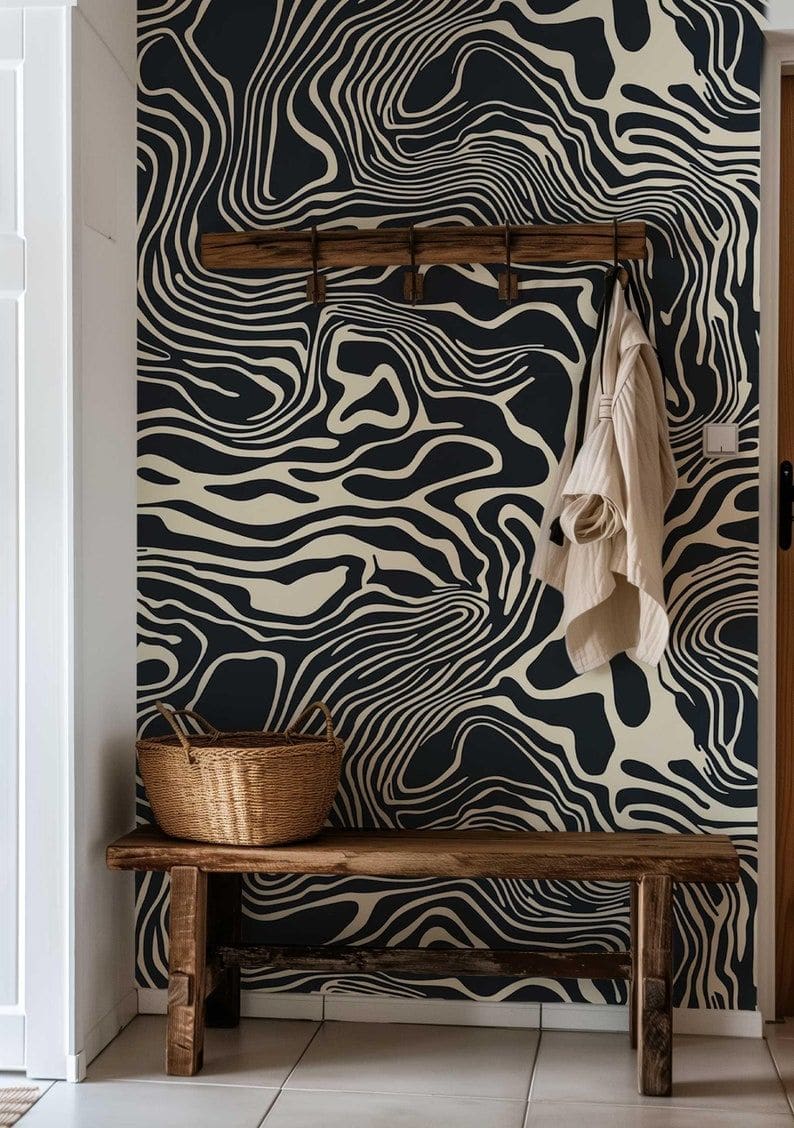
Wallpaper
Available in countless patterns, colours, and textures, wallpaper can introduce anything from understated elegance to bold visual drama.
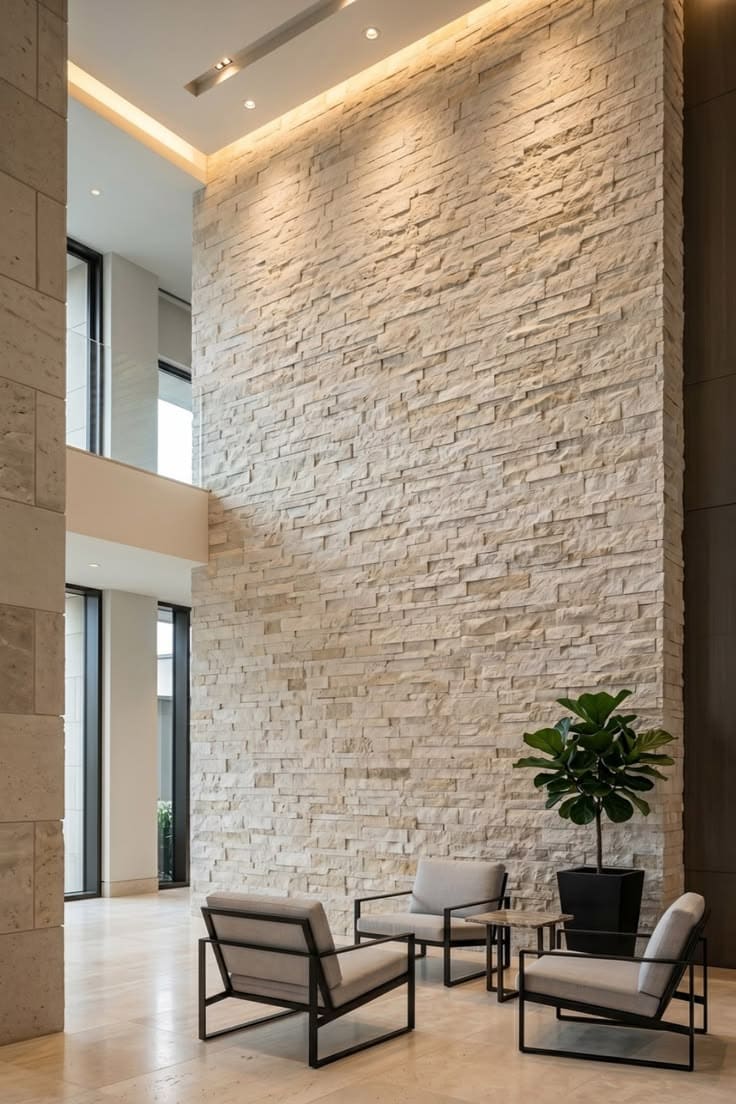
Stone cladding
Brings natural texture and a tactile quality to feature walls, particularly in living rooms, bedrooms, and selected commercial spaces.
Decorative wall mouldings
Add dimension and a sense of refinement, whether you're aiming for a classic interior or a contemporary design with clean geometric details.
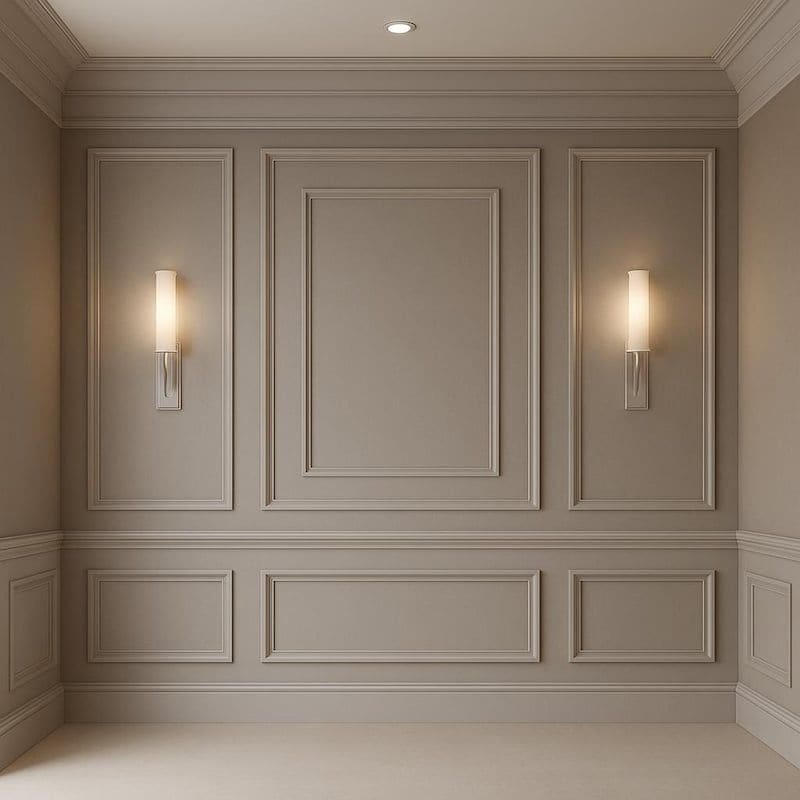
The key is to choose a treatment that complements the room rather than competing with every other element. Sometimes, one thoughtfully designed feature wall is all you need.
3. CEILING FINISHES: Don't Forget the Fifth Wall
Ceilings are often overlooked, yet they can completely change how a room feels. Beyond a simple painted surface, ceiling finishes can introduce architectural detail, improve lighting effects, and create a strong focal point.
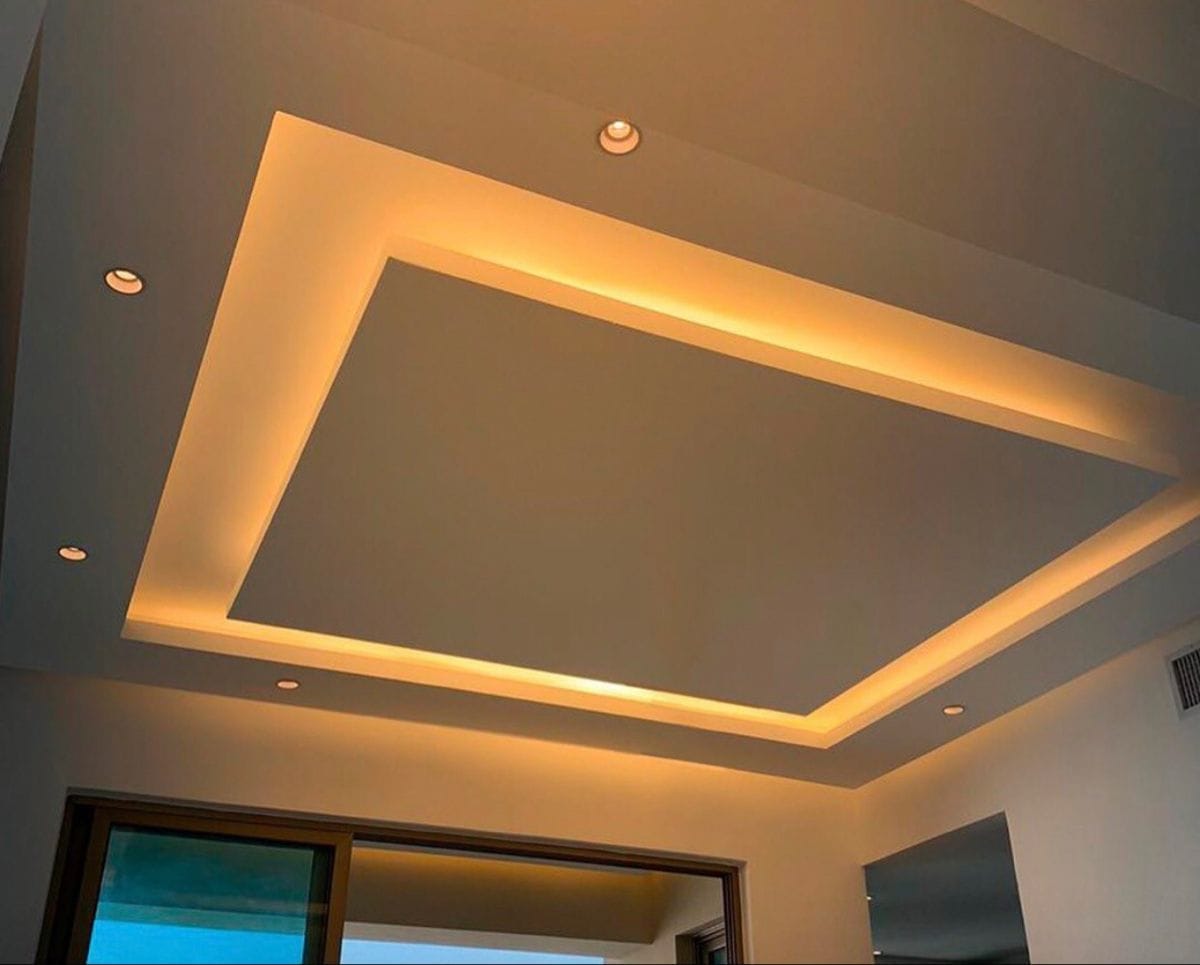
Gypsum ceilings
Ideal for creating layered levels, recessed details, geometric shapes, and concealed lighting features.
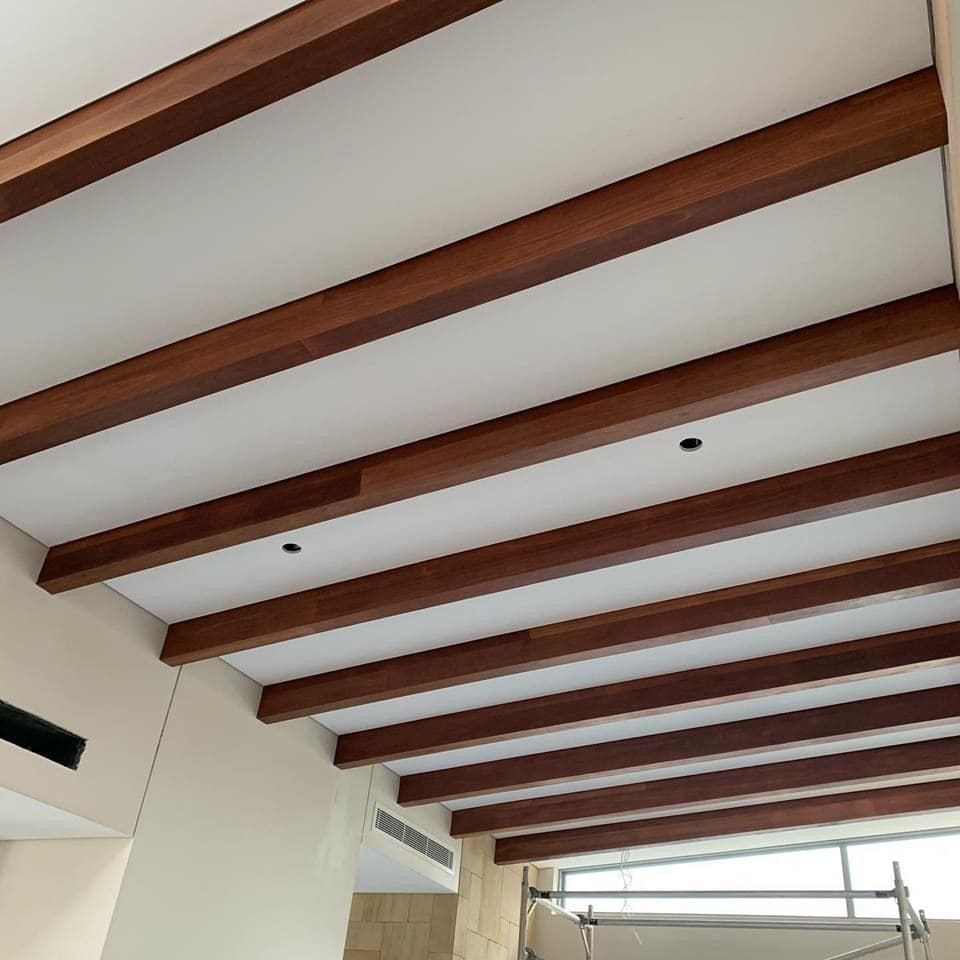
Timber beams and panelling
Introduce natural warmth and work beautifully in rustic, contemporary, and organic interiors.
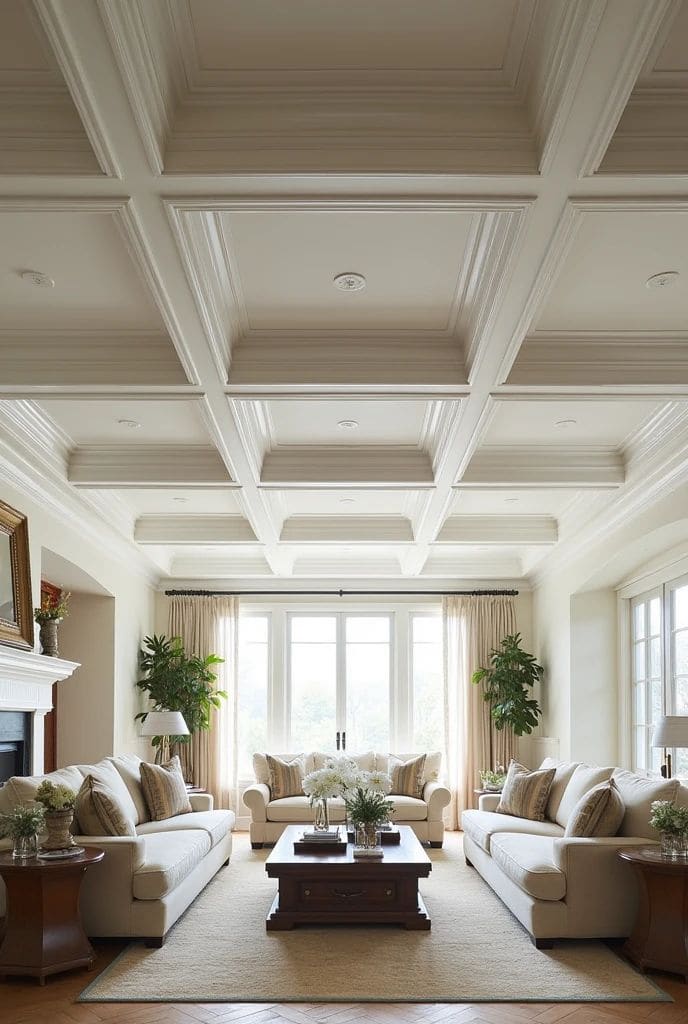
Coffered ceilings
Use recessed panels and defined beams to create structure and visual depth.
Decorative ceiling paint
A subtle colour change can make a ceiling feel intentional and help define the mood of a room.
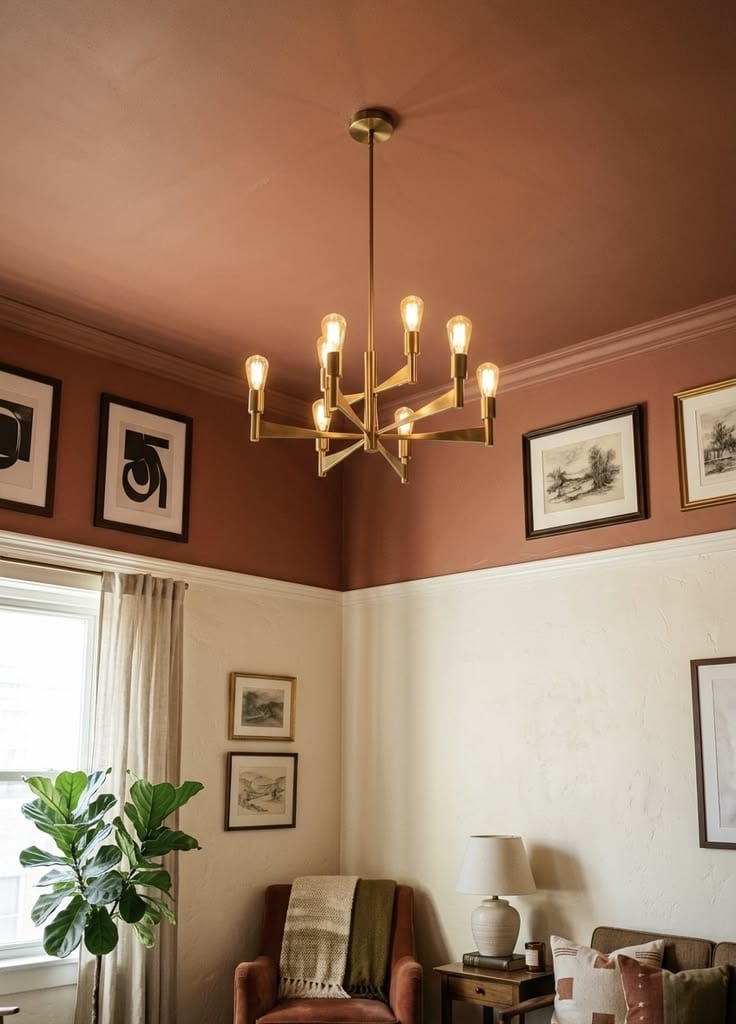
When planning a ceiling, consider the room's height, lighting requirements, and how the design connects with the walls and flooring. A well-designed ceiling should enhance the space without making it feel cramped.
4. COUNTERTOPS AND SURFACE FINISHES
In kitchens, bathrooms, and other functional spaces, surface finishes need to balance aesthetics with performance. These are areas where material selection can make a significant difference to everyday use.
Quartz
An engineered surface available in a wide range of colours and patterns. Many varieties are non-porous, although heat exposure and manufacturer-specific care still matter.
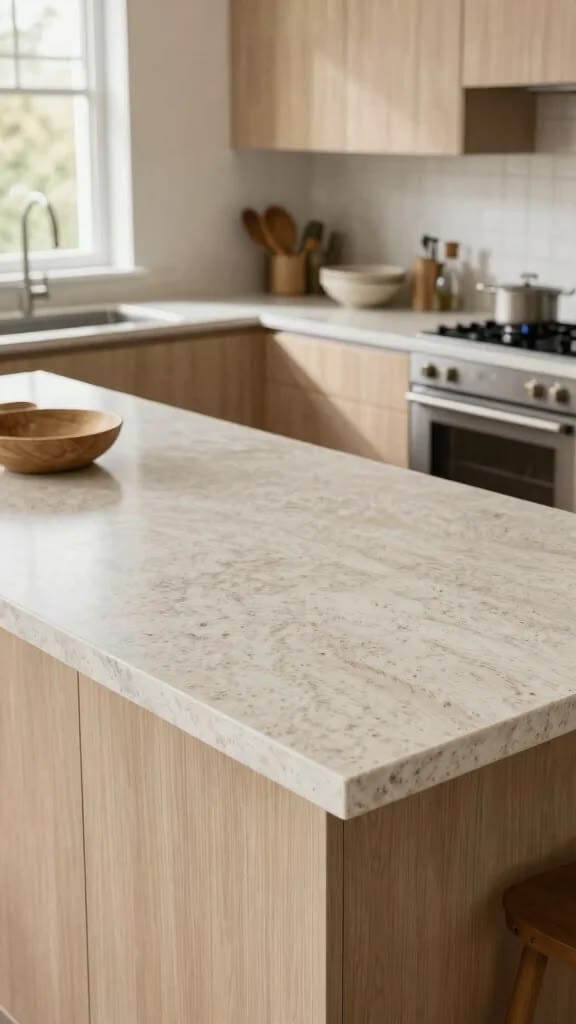
Granite
A natural stone with distinctive patterns and good durability when properly selected and maintained.
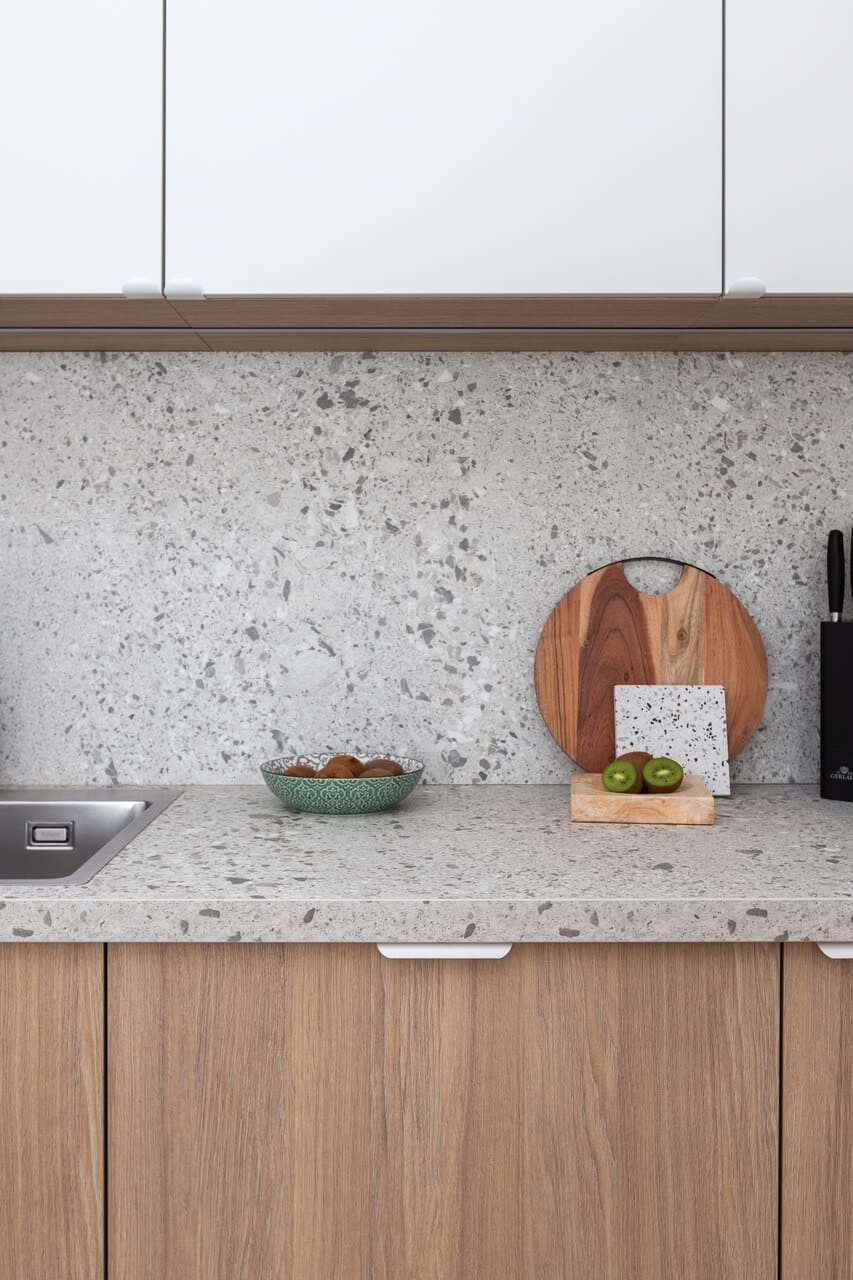
Marble
Known for its elegant veining, but it can stain or etch, so it may be better suited to spaces where its maintenance requirements are acceptable.
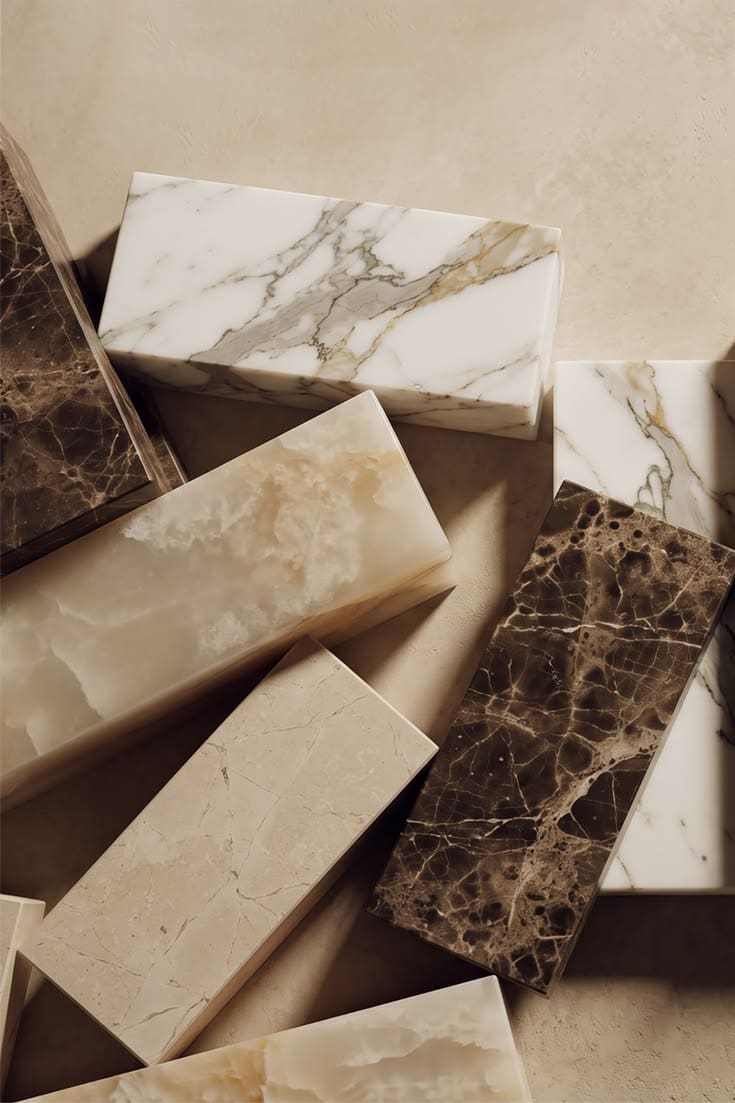
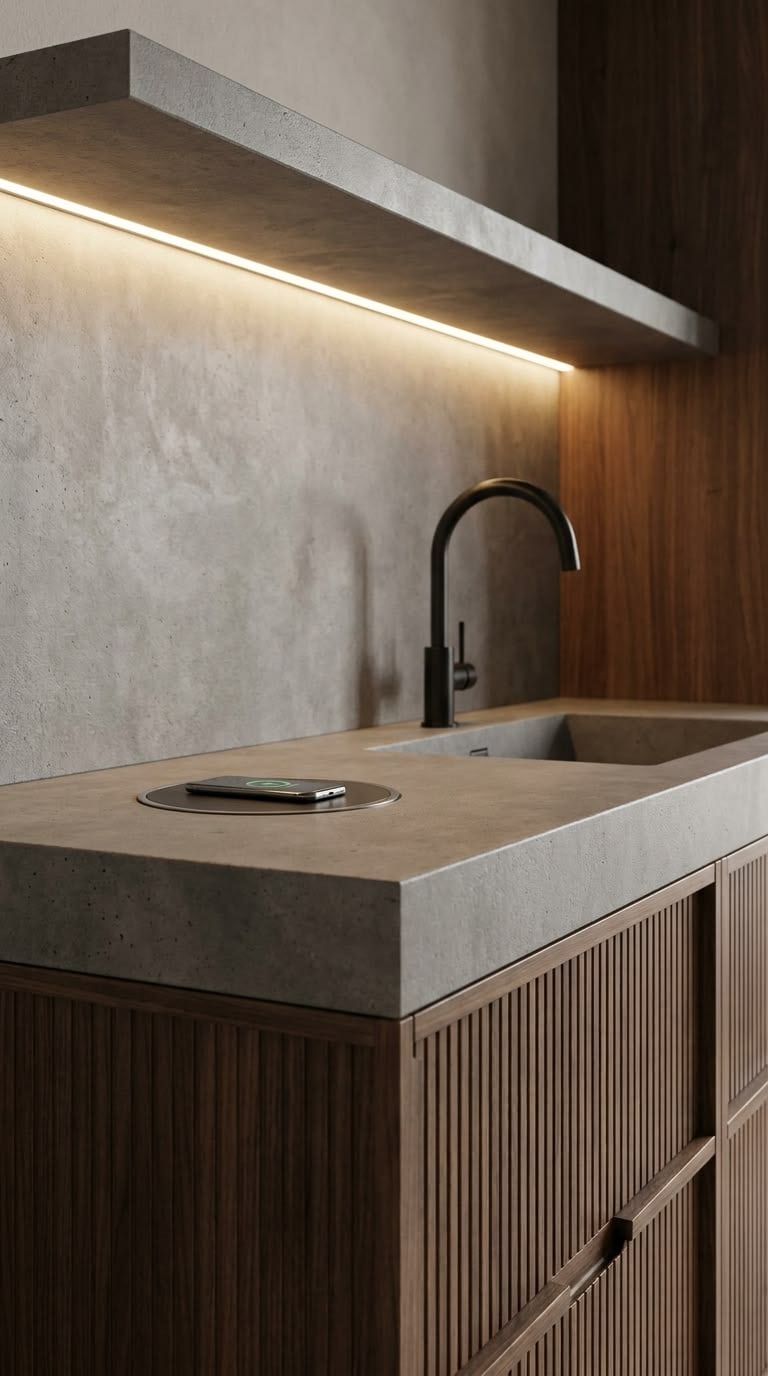
Concrete finishes
Create a contemporary, understated look when correctly specified, sealed, and installed.
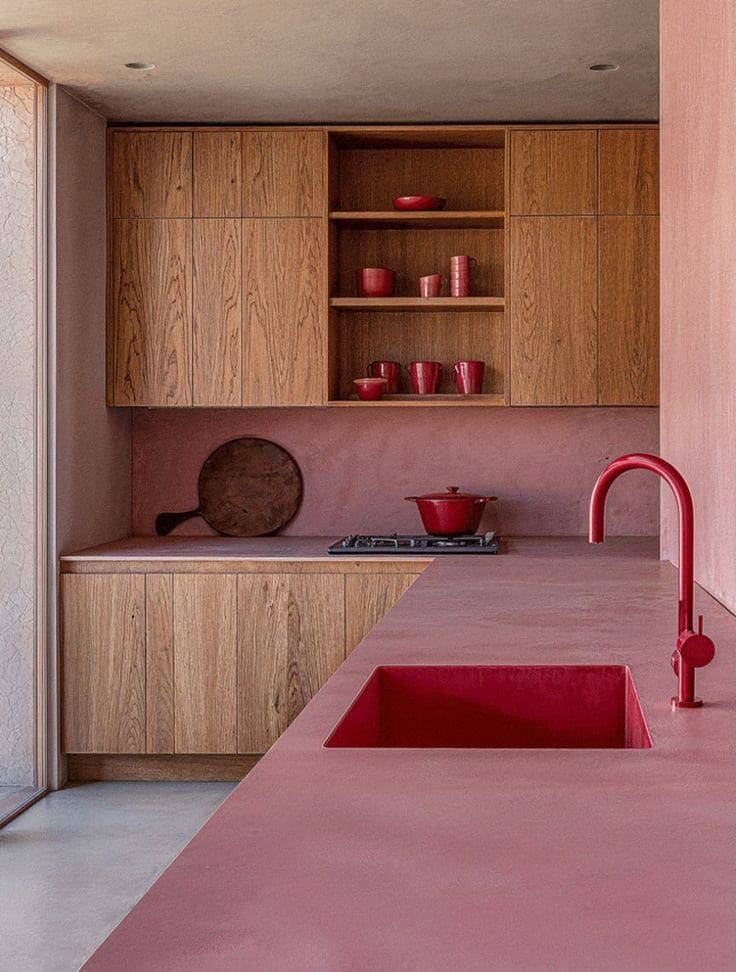
Solid surfaces
Can provide a seamless appearance and are available in a variety of colours and designs.
5. How to Mix Interior Finishes Successfully
Choosing beautiful materials is one thing; making them work together is another. A well-designed interior feels cohesive because its finishes have been selected with the whole space in mind.
Here are a few principles to guide you:
Start with a clear palette. Choose a few complementary colours and materials before selecting individual finishes.
Balance textures. Pair smooth surfaces with tactile ones, such as polished stone with textured plaster or sleek cabinetry with woven fabrics.
Mix materials thoughtfully. Wood, metal, stone, glass, and fabric can work beautifully together when they share a consistent design direction.
Consider lighting. Natural and artificial light affect how colours, textures, and reflective surfaces appear. Always assess material samples in the lighting conditions of the actual space.
Prioritise practicality. A finish may look beautiful in a photograph but still be unsuitable for a wet area, a high-traffic floor, or a frequently used countertop.
Test samples before committing. View tile, paint, fabric, and countertop samples together to see how they interact before making final selections.
Interior finishes are the details that give a space its identity. From the flooring beneath your feet to the textures on your walls and the design above your head, every material contributes to the overall experience of a room. The magic lies in choosing finishes that complement one another while reflecting your personal style and practical needs.
Whether you gravitate towards natural stone, warm timber, textured plaster, or bold decorative surfaces, don't be afraid to explore different combinations. With thoughtful planning and the right material choices, even the simplest space can become something truly special.