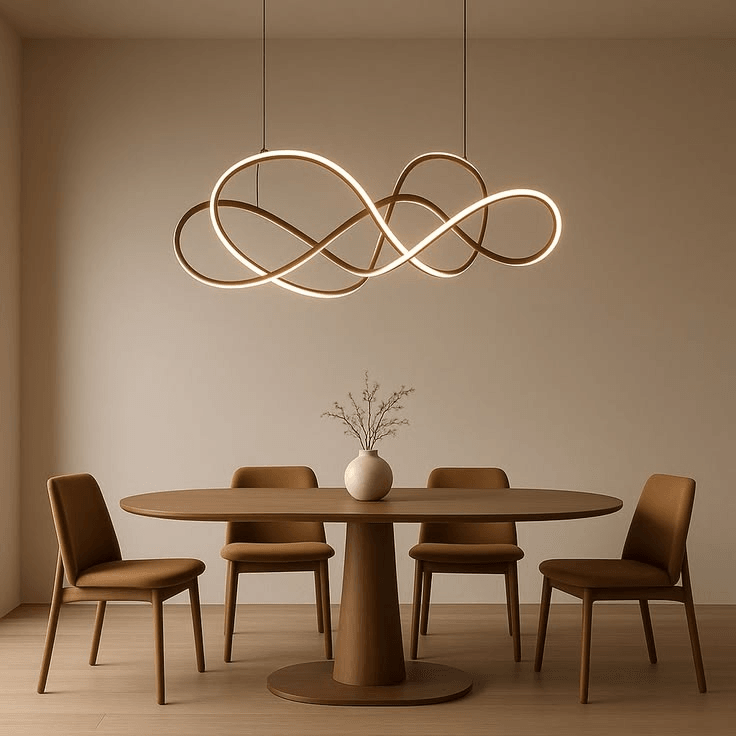
Imagine walking into a beautifully furnished room with dull, poorly positioned lighting. Despite the carefully selected furniture, elegant finishes and decorative accessories, something still feels missing. Now imagine that same room illuminated with warm ambient lighting, subtle accent lights and strategically placed fixtures. Suddenly, the entire atmosphere changes.
1. Understanding the Three Layers of Lighting
Ambient Lighting
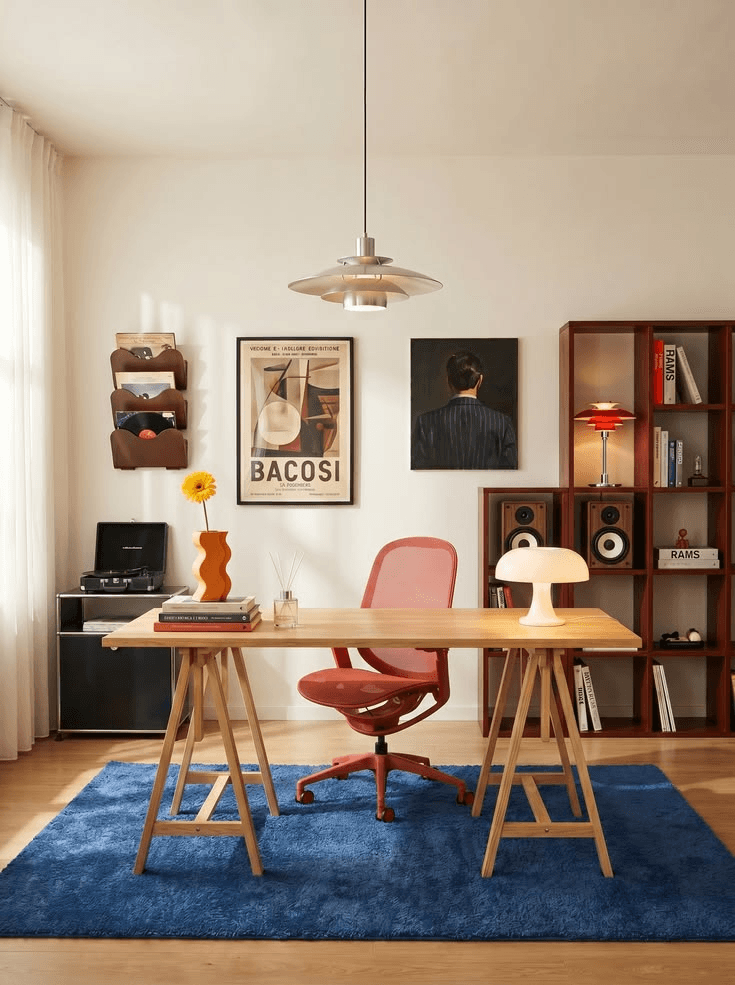
This provides the general illumination of a room. It establishes the overall brightness and ensures that the space is comfortable to navigate. Ceiling-mounted fixtures, recessed downlights and pendant lights are common examples.
Task Lighting
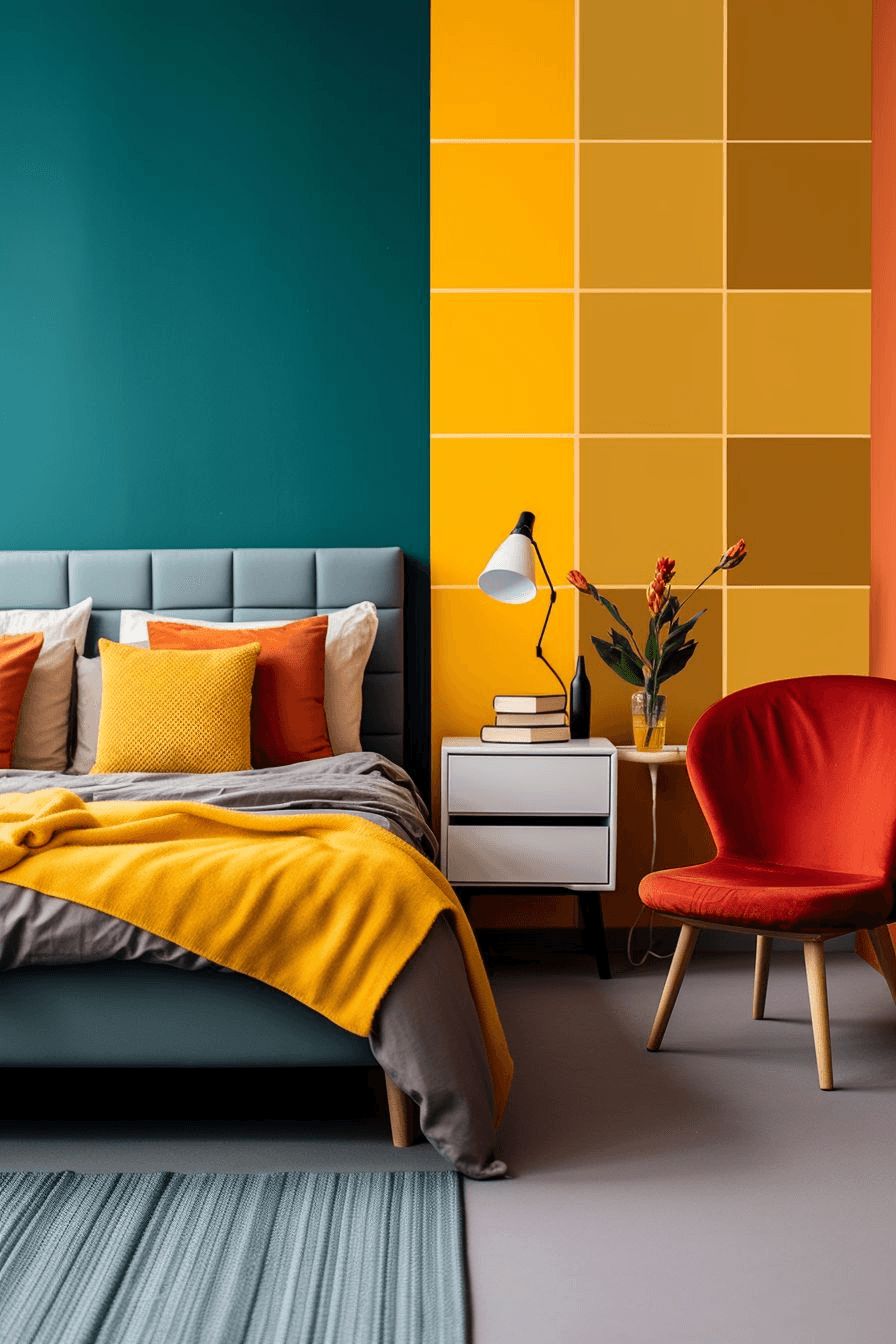
As the name suggests, task lighting supports specific activities. Whether reading, cooking, working or applying makeup, this type of lighting provides focused illumination where it is needed most. Desk lamps, under-cabinet kitchen lights and bedside reading lights are excellent examples.
Accent Lighting
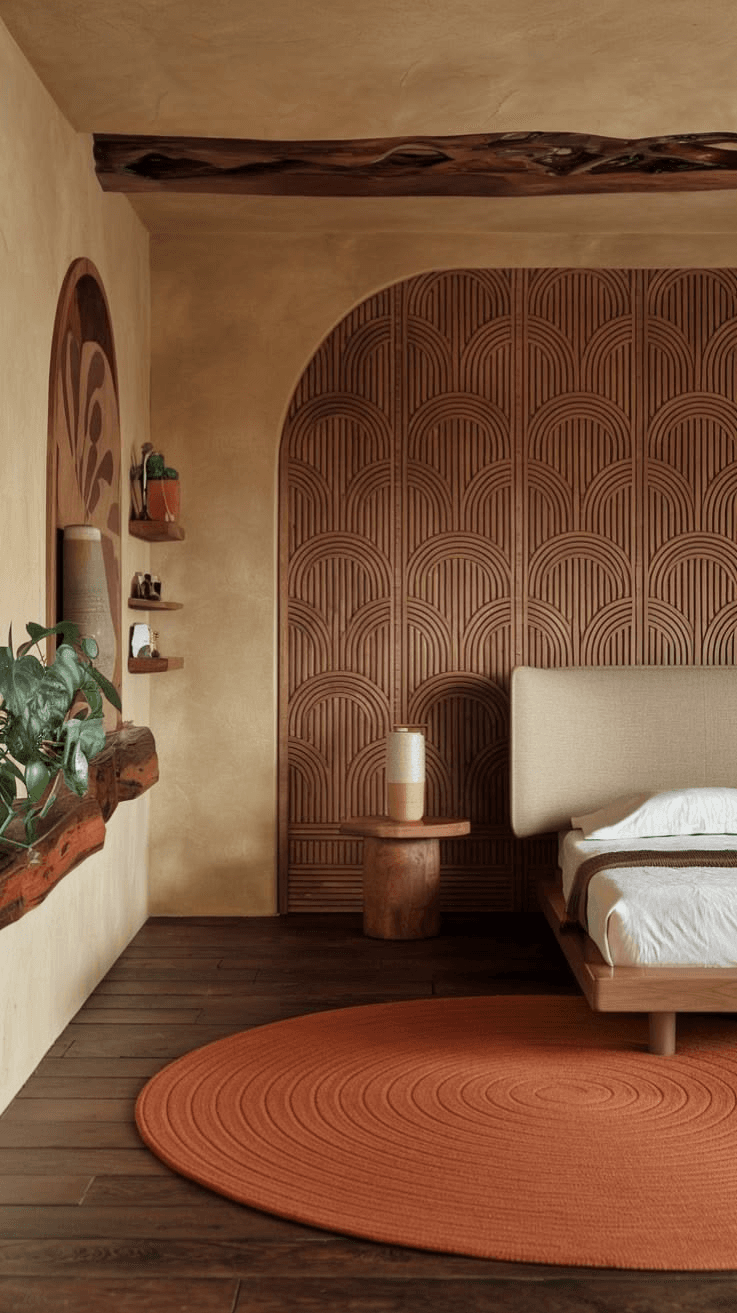
Accent lighting introduces depth and visual interest by drawing attention to particular features. It can highlight artwork, textured walls, architectural details or decorative objects. Wall washers, track lights and LED strip lighting are commonly used to achieve this effect.
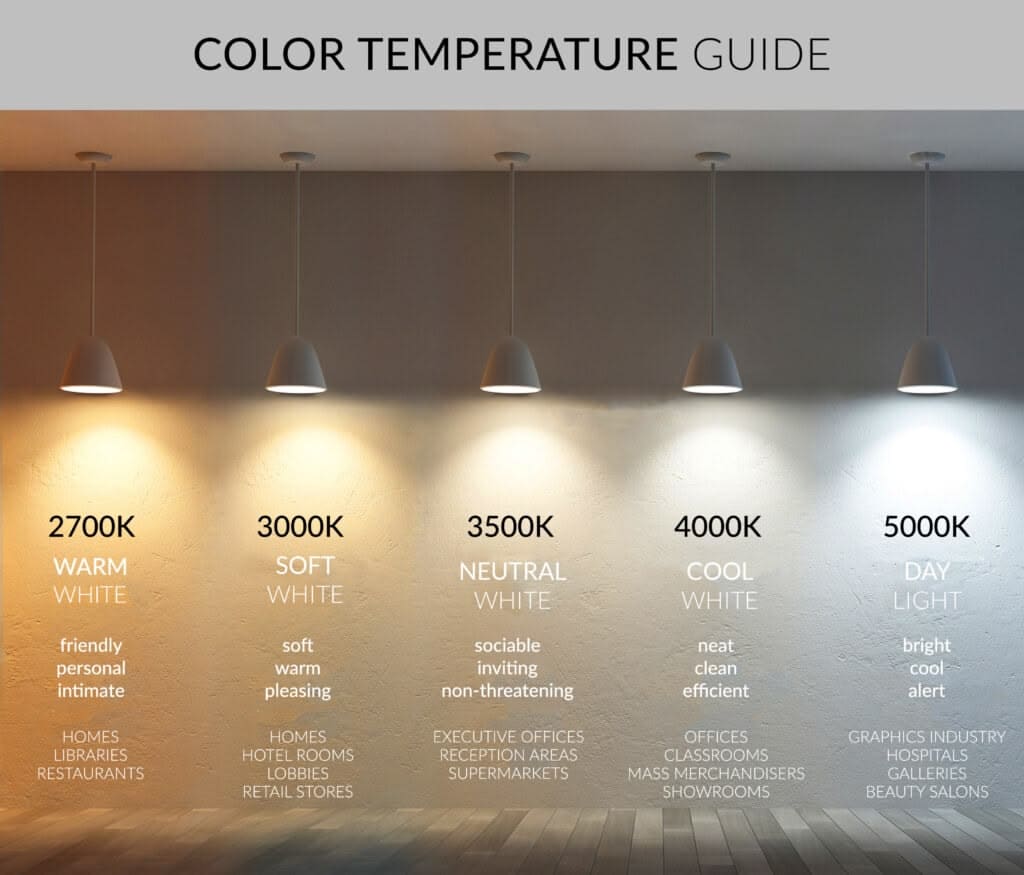
2. The Influence of Colour Temperature
Warm white (2700K–3000K): Creates a cosy and intimate atmosphere, making it ideal for bedrooms, lounges and hospitality spaces.
Neutral white (3500K–4000K): Provides balanced illumination suitable for kitchens, bathrooms and workspaces.
Cool white (5000K–6500K): Produces a crisp, daylight-like appearance, often used in areas requiring high visual clarity.
3.Natural lighting
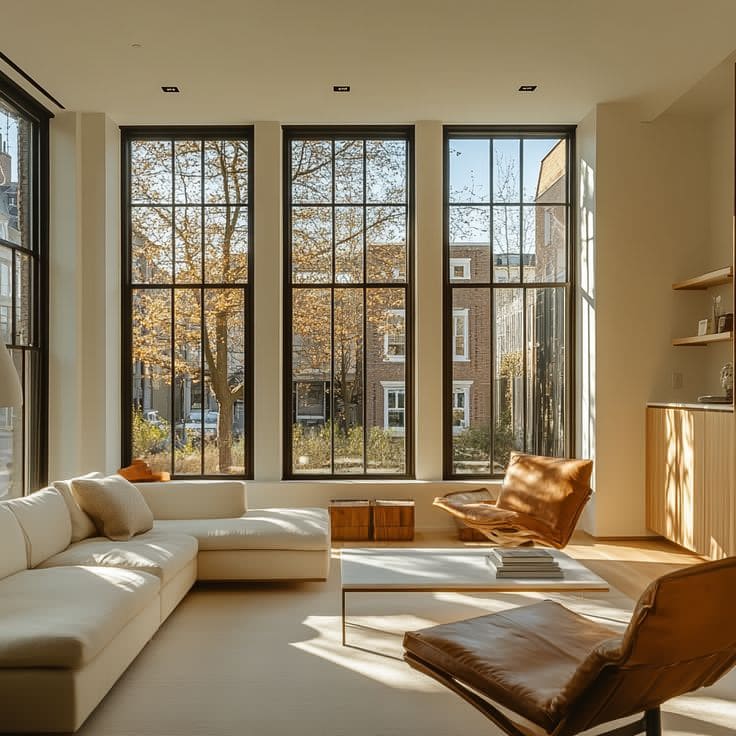
Large windows, skylights, glass partitions and strategically positioned mirrors can help distribute daylight throughout an interior. Light-coloured surfaces and reflective finishes can also enhance the perception of brightness.
Beyond aesthetics, natural daylight helps create a stronger connection with the outdoors and contributes to a more comfortable indoor environment.
4. Lighting as an Architectural Feature
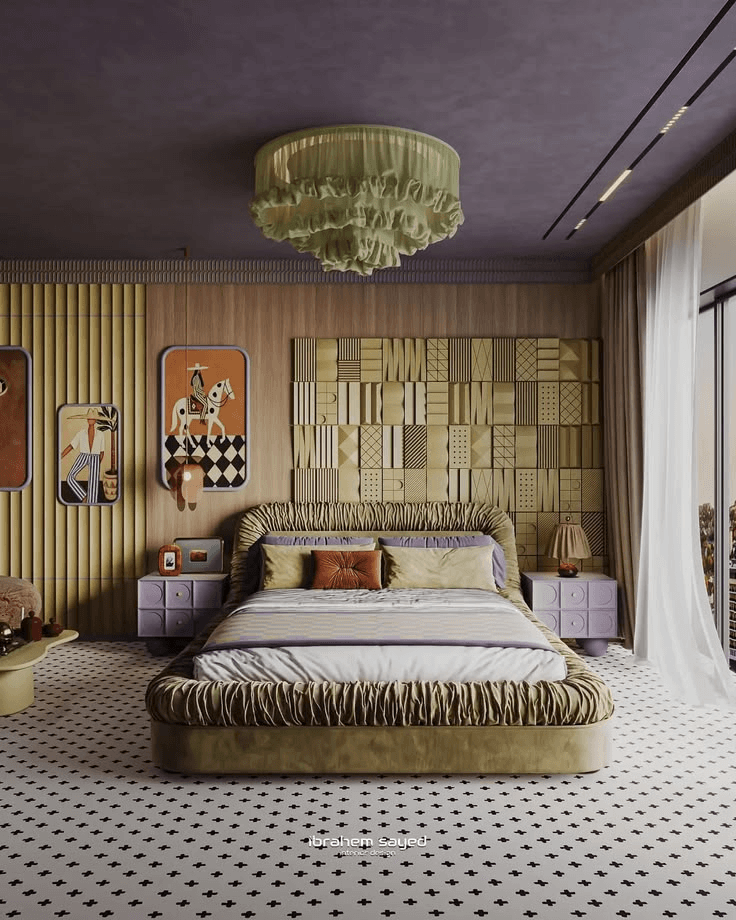
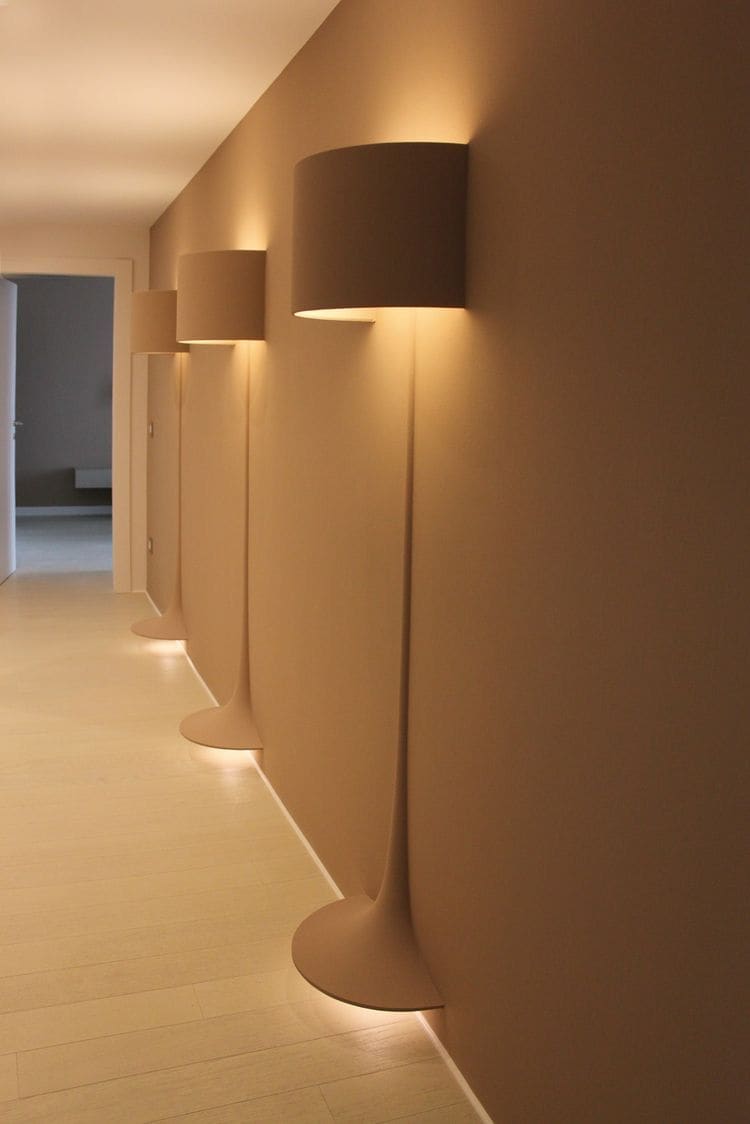
Lighting fixtures are no longer simply functional objects. They have become statement pieces that contribute to the overall design language of an interior.
Sculptural pendants, contemporary chandeliers, recessed linear lighting and decorative wall sconces can introduce character and sophistication.
5.Elements to note in lighting
Some common mistakes include:
Relying on a single overhead light source.
Using inconsistent colour temperatures within the same visual area.
Ignoring shadows and glare.
Choosing decorative fixtures without considering their actual light output.
Failing to provide task lighting in functional areas.
Overlooking the importance of lighting controls and dimmers.
Lighting has the ability to redefine an interior without changing its furniture, layout or finishes. It creates atmosphere, enhances textures, highlights architectural details and makes everyday activities more comfortable