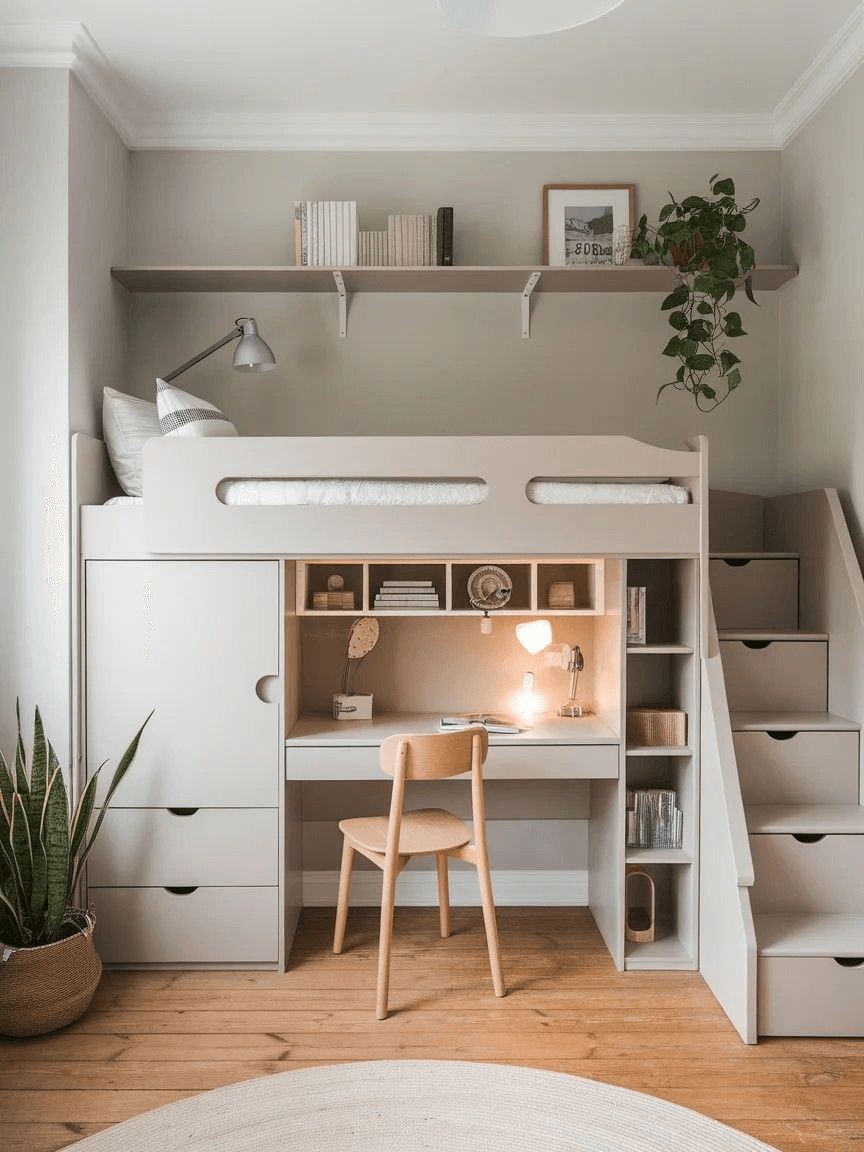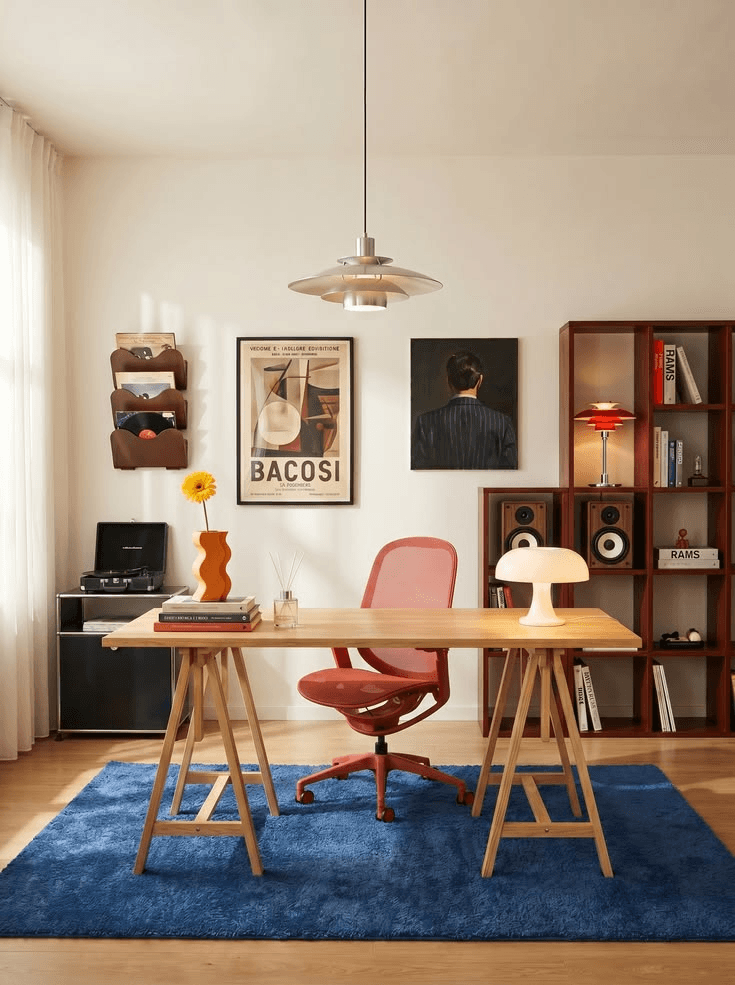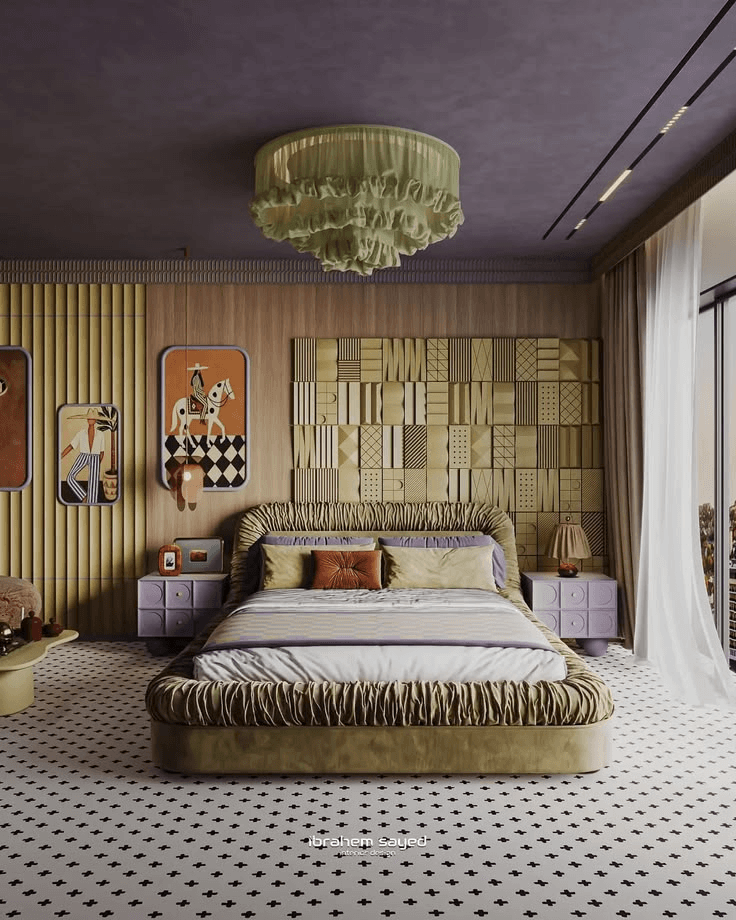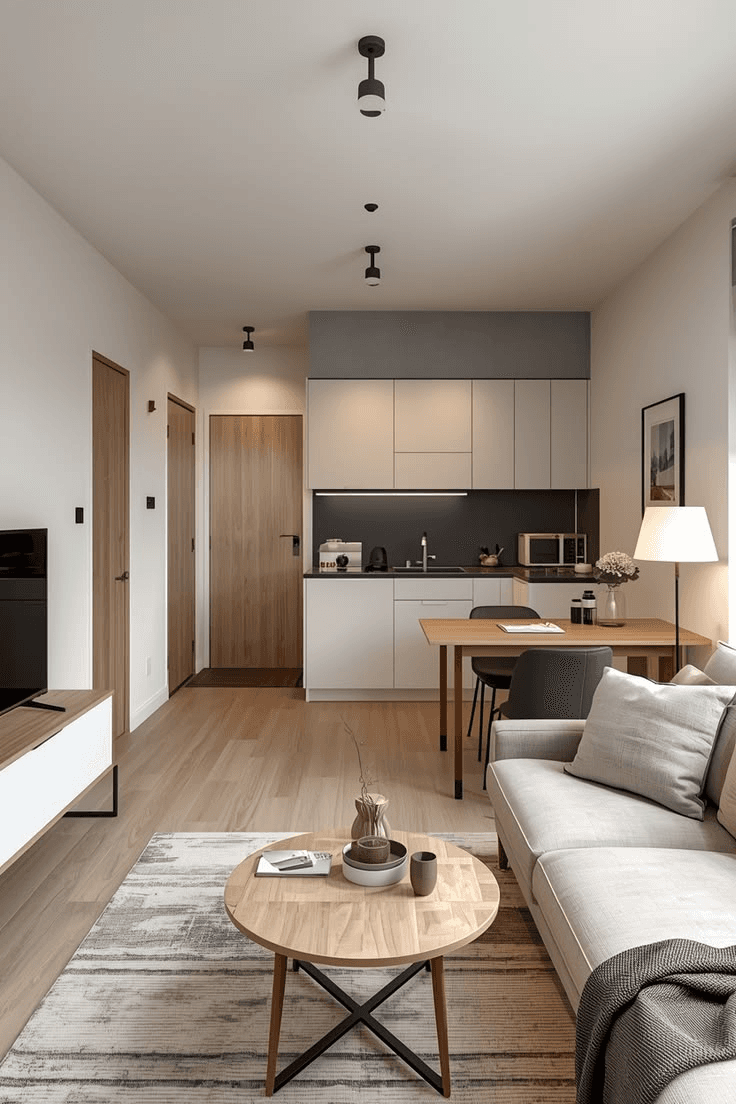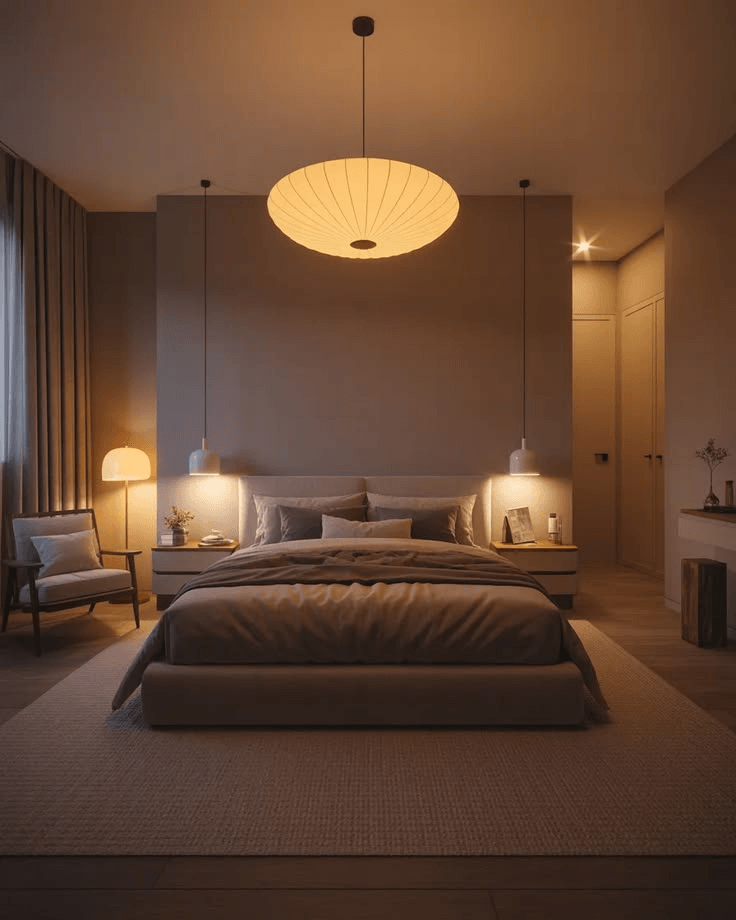
A bedroom is more than just a place to sleep. It is a personal retreat where you unwind after a long day, read your favourite book, get dressed and enjoy moments of relaxation. While furniture, colour schemes and décor play an important role in creating a beautiful bedroom, lighting is what brings the entire space together.
The right lighting can influence the mood, highlight architectural features, create warmth and make even a simple bedroom feel luxurious. However, choosing the perfect lighting involves more than selecting an attractive pendant or bedside lamp. It requires understanding the different types of lighting, their functions and how they work together.
1. Understand the Three Layers of Lighting
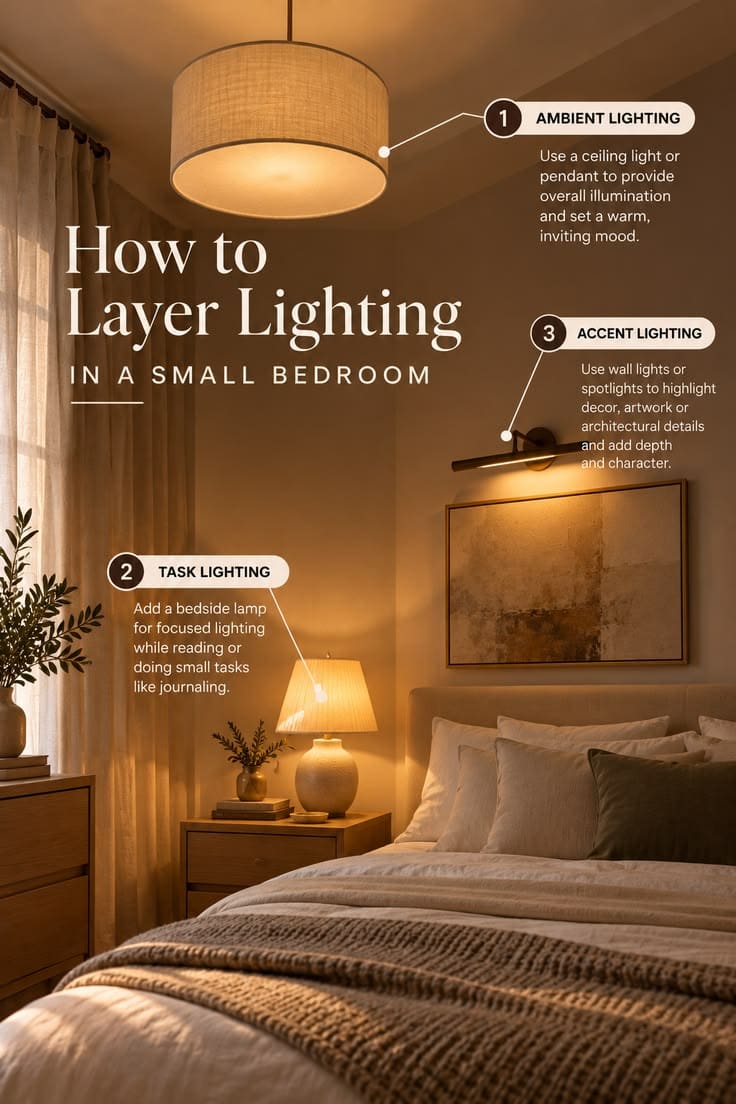
Ambient Lighting
This is the primary source of illumination in a bedroom. It provides general lighting, ensuring the entire space is comfortably lit. This include,
Ceiling-mounted lights
chandeliers
recessed ceiling lights
pendant lights.
For a modern bedroom, consider recessed downlights combined with a decorative ceiling fixture for a clean and elegant appearance.
Task Lighting
Task lighting provides focused illumination for specific activities such as reading, dressing or applying makeup. Some practical options include:
Bedside table lamps.
Adjustable wall-mounted reading lights.
Dressing table lights.
Pendant lights positioned beside the bed.
The key is to position task lighting where it is needed without creating unnecessary glare.
Accent Lighting
Accent lighting adds depth, atmosphere and visual interest to a bedroom. It is particularly useful for highlighting decorative features and architectural details. Consider:
LED strip lighting behind headboards.
Cove lighting along ceiling details.
Backlit mirrors.
Wall washers highlighting textured feature walls.
These lighting details can create a soft, luxurious atmosphere, especially when used alongside ambient lighting.
2. Choose the Right Colour Temperature
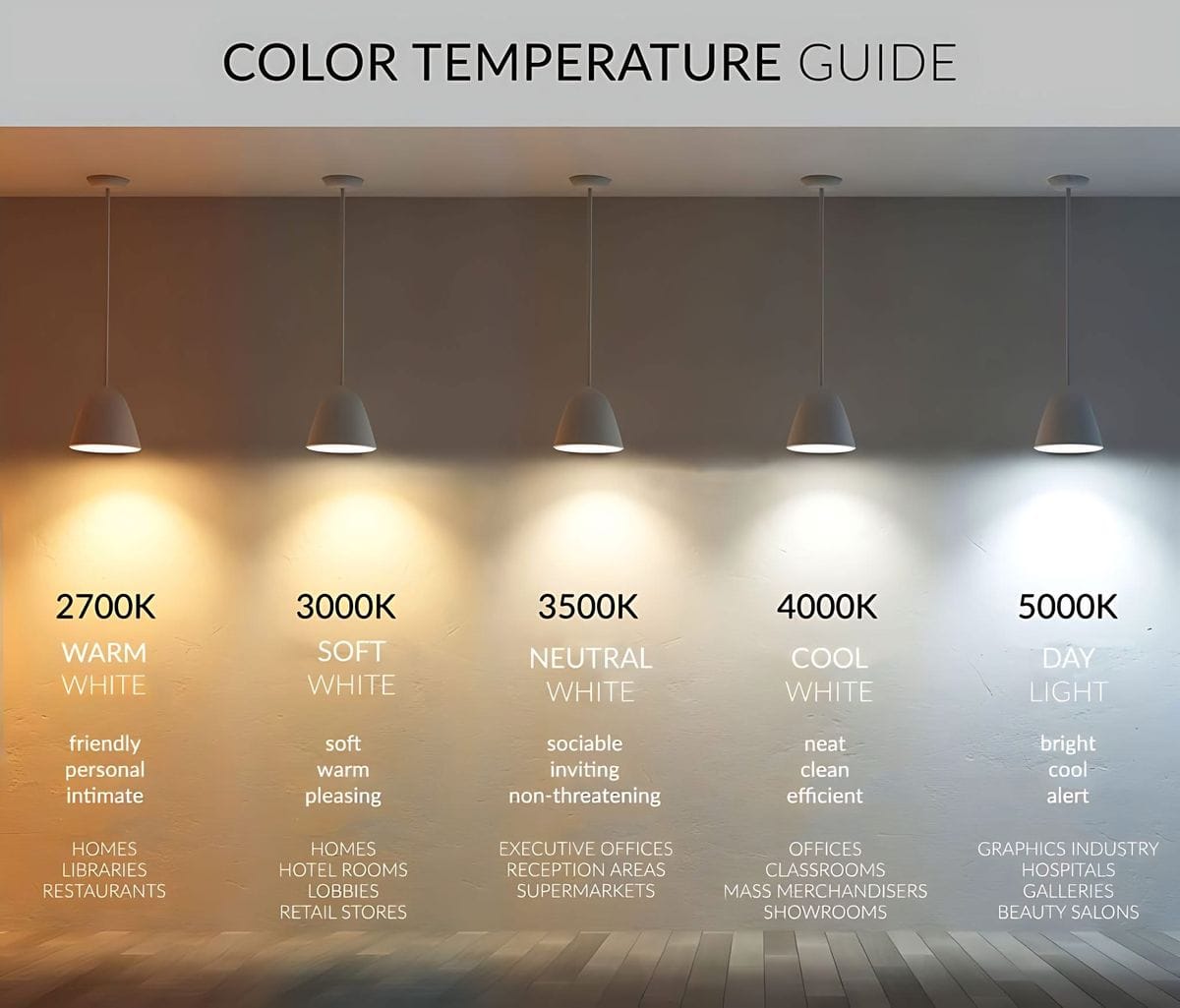
The colour temperature of a light bulb determines whether its light appears warm, neutral or cool. It is measured in Kelvin (K) and plays a significant role in establishing the mood of a bedroom.
For a relaxing bedroom environment, warm lighting is generally the preferred choice.
Warm white (2700K–3000K): Creates a cosy, intimate and relaxing atmosphere. Ideal for bedside lamps and general bedroom lighting.
Neutral white (3500K–4000K): Provides a cleaner, more balanced appearance. Suitable for dressing areas and spaces where clearer visibility is needed.
Cool white (5000K–6500K): Produces a bright, crisp appearance. It is generally less suitable for creating a relaxing bedroom ambience.
A combination of warm ambient lighting and slightly brighter task lighting can help create a bedroom that is both functional and comfortable.
3. Consider the Size and Layout of Your Bedroom
The size of your bedroom should influence your lighting choices.
For smaller bedrooms, avoid oversized lighting fixtures that dominate the space. Recessed lights, compact wall sconces and slim pendant lights can provide sufficient illumination without making the room feel crowded.
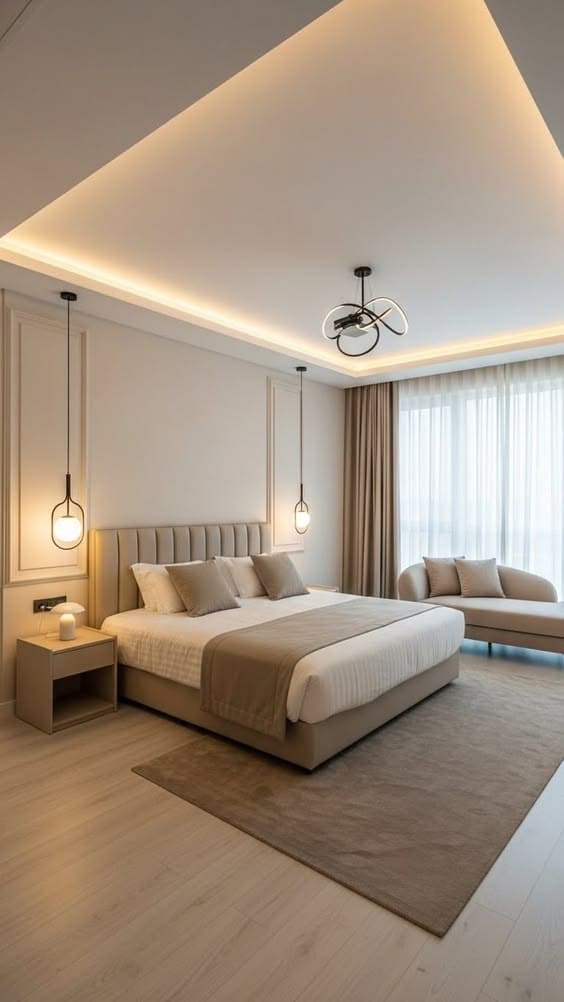
For larger bedrooms, you have more flexibility to introduce statement chandeliers, decorative pendants or multiple lighting features.
Also consider the placement of your furniture. Bedside lighting should be positioned conveniently for reading, while dressing area lighting should provide sufficient illumination without casting harsh shadows.
4. Select Lighting Fixtures That Complement Your Interior Style
Here are some options:
Modern minimalist: Choose sleek recessed lights, simple pendant fixtures and concealed LED strips.
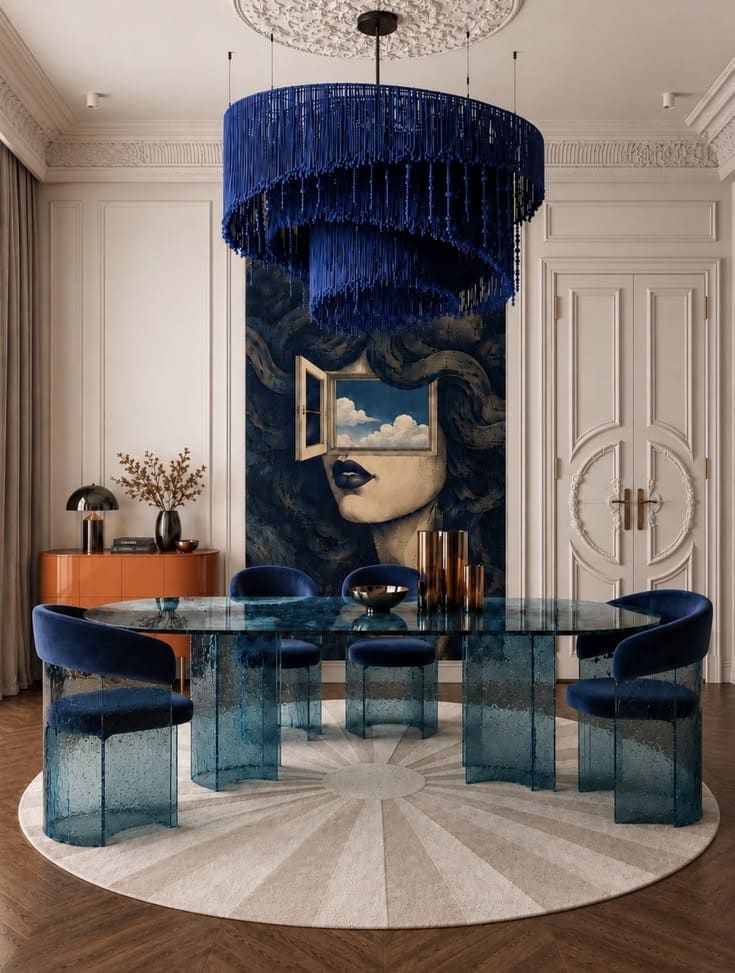
Contemporary luxury: Consider glass chandeliers, metallic finishes and elegant wall sconces.
Scandinavian: Opt for simple pendant lights, natural materials and soft diffused illumination.
Industrial: Incorporate exposed bulbs, black metal fixtures and statement wall lights.
Classic: Choose decorative chandeliers, traditional bedside lamps and elegant wall sconces.
The aim is to create visual harmony rather than having every lighting fixture compete for attention.
5.Use Dimmable Lighting for Flexibility
A bedroom should accommodate different activities and moods throughout the day. Dimmable lighting allows you to adjust brightness depending on your needs.
Bright lighting may be useful when cleaning, organising your wardrobe or getting dressed, while softer illumination creates a relaxing atmosphere in the evening.
6.Don't Overlook Natural Lighting
Artificial lighting is important, but natural light should also be considered when designing a bedroom.
Large windows, sheer curtains and strategically positioned mirrors can help maximise daylight during the day.
Where privacy is a concern, consider layering sheer curtains with blackout curtains. This allows you to control natural light while maintaining privacy and creating a comfortable sleeping environment.

7.Think About Energy Efficiency and Maintenance
A beautiful bedroom should also be practical and economical to maintain.
LED lighting is an excellent option because it generally consumes less electricity and lasts longer than traditional incandescent bulbs.
Choosing the right bedroom lighting is about finding the perfect balance between functionality, comfort and aesthetics. From soft bedside lamps to elegant chandeliers and subtle LED accents, every lighting element contributes to the overall experience of the space.